Assam Bought-Leaf Factories Put Procurement At Risk After 85% Of Samples Fail Residue Tests

Aug 24, 2026

Leave a message

Sophia Xu
Sophia Xu
Sophia is an experienced tea taster at Shengzhou Houtu Tea Co., Ltd. She has a sharp palate and can accurately evaluate the taste and quality of various green teas, providing valuable opinions for the company's production.
AUCTION SIGNAL ROOM · GLOBAL TEA NEWS 158
Assam Bought-Leaf Factories Put Procurement at Risk after 85% of Samples Fail Residue Tests
The Times of India · Source date: 2026-07-28
KEY SIGNAL
Nearly 85% sample-failure claim
KEY SIGNAL
7.5–8 lakh kg of failed tea reportedly stored
KEY SIGNAL
Monocrotophos use said to be down nearly 80% vs 2024
Assam's bought-leaf factory association warned that green-leaf intake could be suspended unless small growers certified compliance, citing Tea Research Association data that nearly 85% of samples failed tests involving acetamiprid and imidacloprid.
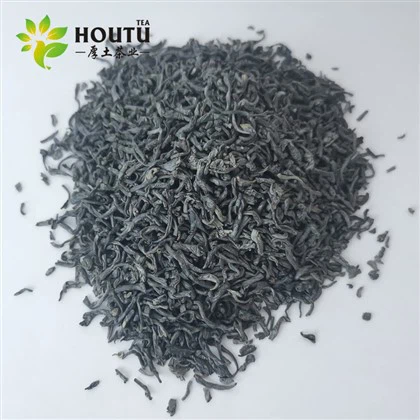
Illustrative HOUTU TEA image: quality control and responsible supplier management.

Inside the market signal

The immediate risk is a break between farms and factories: green leaf is perishable, so a procurement pause cannot be handled like a delayed dry-goods order. The report also exposes a regulatory mismatch claimed by the association-chemicals approved by one authority but awaiting final food MRL notification-leaving growers and factories uncertain about the acceptance threshold.

For exporters and buyers, residue control must begin before spraying, not at the auction warehouse. Approved-input lists, application records, pre-harvest intervals, lot segregation and representative testing are one connected system. Retesting finished tea after failure may identify the problem, but it cannot restore discarded leaf or a missed production window.

How a buyer can respond

A buyer should require evidence that farm or collection-centre controls reach the offered lot. A polished final certificate is useful only when the exporter can explain how thousands of small deliveries were aggregated, isolated and sampled. The same principle applies to any origin with smallholder supply.

The next two signals

FSSAI clarification on the cited pesticides.
Factory procurement rules and stored failed-tea volumes.

Auction-to-order checklist

Confirm the current destination MRL list before spraying.
Keep grower and collection-lot records.
Test representative made tea before shipment commitment.
Create a documented hold-and-release rule for failed lots.
Benchmark limit: The 85% figure and storage estimate were reported by industry bodies through the media; buyers should seek current official or laboratory evidence for a specific lot.
What this can look like in a real order

A factory receives leaf from many growers but cannot trace which farms used a disputed pesticide. Instead of blending all intake, it creates collection batches, records grower declarations and tests risk-based made-tea lots. A failure can then be isolated without paralysing the entire day's production.

Discuss the commercial response with HOUTU TEA
Sophie can help translate a destination residue list into pre-production control points.
Source basis: The Times of India. HOUTU TEA summarises the public information and adds commercial interpretation for international tea buyers. View the original source.
Send Inquiry
Contact us if have any question

You can either contact us via phone, email or online form below. Our specialist will contact you back shortly.

Contact now!