Some people get confused easily. Certain teas named white tea actually belong to green tea, while authentic white tea is an independent category itself. There are two kinds of teas called white tea. One is named after the tea plant variety, which is essentially green tea made with green tea processing methods. The other is the genuine white tea categorized by production techniques, one of the six major tea categories. Rule of judgment: The name comes from the tea plant cultivar, but the tea category is decided by its processing craft. For example, Anji White Tea is produced from albino tea leaves with green tea fixation technology. It is classified as green tea instead of the technique-defined white tea among the six major tea types.
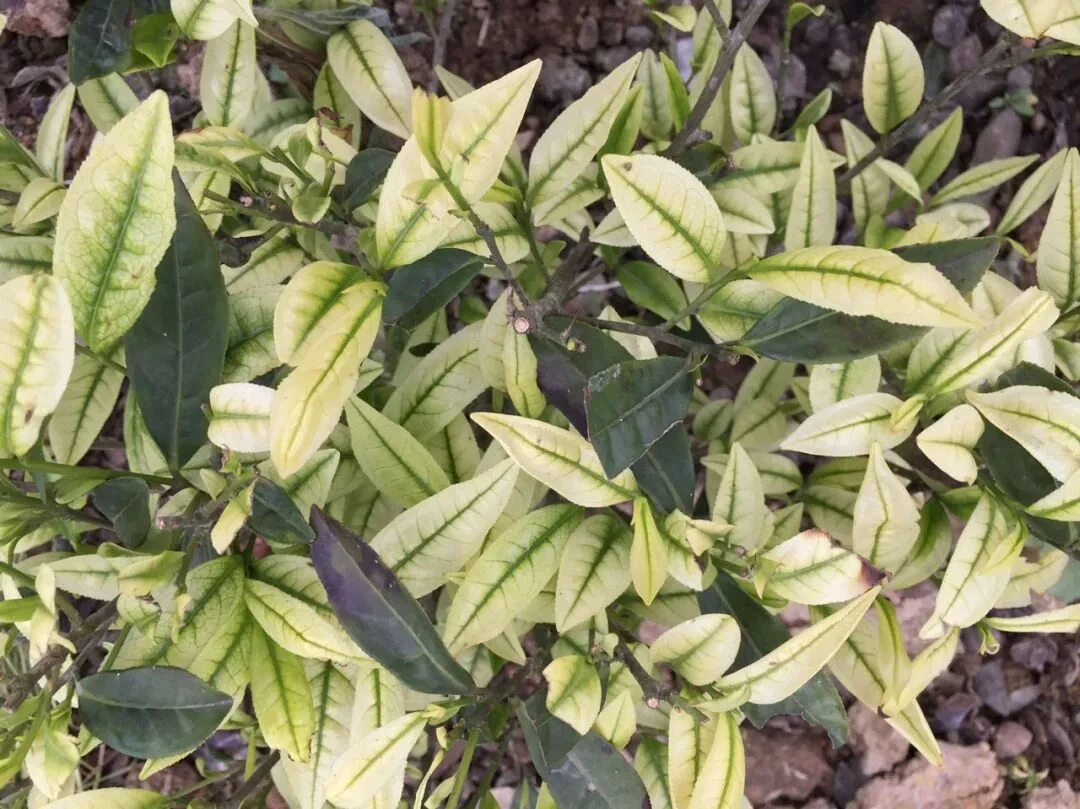
Raw material of Baiye No.1 white tea comes from the Baiye No.1 tea cultivar. When the temperature is below 23℃, its new shoots lack chlorophyll and appear jade-white, hence the name "white tea". The leaves gradually turn green as the temperature rises, and they only stay pale white for a short period in spring. The category of tea is determined mainly by its processing techniques. Take Anji White Tea (which is green tea) as an example: non-fermented. Its production flow is plucking → spreading → high-temperature fixation → shaping → drying. Craft-defined white tea goes through fresh leaf picking → natural withering (sun-dried or indoor withering) → low-temperature drying. It requires no pan-firing or rolling, retaining active enzymes inside the tea leaves. It features rich hair fragrance, sweet and brisk taste. This is the white tea classified in the six major tea categories. Its typical varieties include White Peony and Silver Needle.