When food and fuel were scarce, a measured spoon of tea could still represent normal life.

Image source: Wikimedia Commons / Imperial War Museums – 1942 ration display
Why ration tea
Britain depended heavily on imported food and tea. War threatened shipping, warehouse capacity and supply routes. Rationing attempted to distribute limited goods more evenly and reduce panic buying.
Imperial War Museums records show that ration amounts changed as wartime conditions changed. Tea was not treated as a luxury that could simply disappear; it was managed because of its place in daily routine and morale.

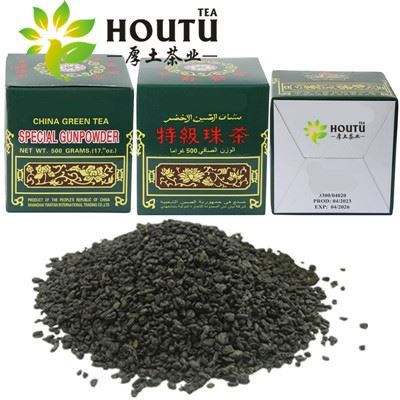
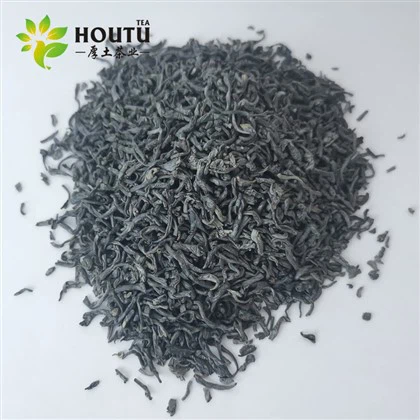
Image source: HOUTU TEA public image library
A cup connected home and service
Tea was served in canteens, mobile services and military settings. Twinings records supplying organisations including Red Cross prisoner-of-war parcels, the Women's Voluntary Service and YMCA mobile canteens.
Why the story matters
The wartime cup demonstrates the commercial value of reliability. Customers may forgive modest packaging or a simple blend when the product consistently delivers a familiar moment of comfort.