1. The six primary categories of tea (ordered by fermentation level) This is the fundamental classification rule. The degree of fermentation, ranging from low to high, shapes the flavor characteristics:

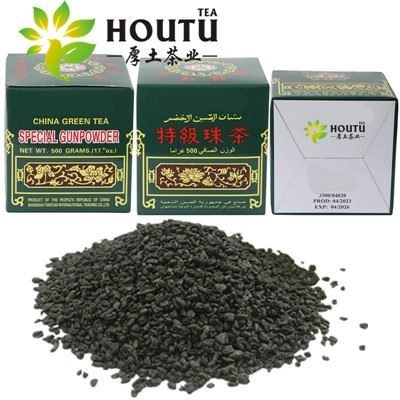
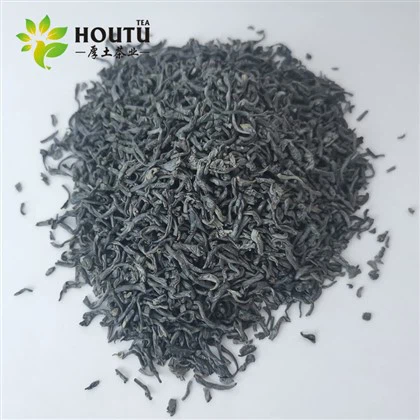
• Green tea (non-fermented): Clear liquor with green leaves, featuring a bright and brisk taste. Classic varieties include Longjing and Biluochun. Brewing tip: use water at 80–85℃ to avoid bitterness and astringency.
• White tea (lightly fermented): Covered with fine silvery hairs, it produces pale apricot-colored liquor with a pure and sweet flavor. Representative types are Baihao Yinzhen and White Peony. It is known for the saying: "Drink it as tea in the first year, use it as medicine after three years, treat it as a treasure after seven years." Aged white tea can be boiled for drinking.
• Yellow tea (mildly fermented): It yields yellow liquor and yellow leaves with a mellow taste. Junshan Yinzhen is its famous representative. Its production adds a unique yellowing process that green tea does not have, making it relatively rare on the market.
• Oolong tea (semi-fermented): Also known as blue tea, it carries rich floral and fruity aromas with layered flavors. Well-known types are Tieguanyin (light roasting), Da Hong Pao (medium roasting), and Phoenix Dancong (high fragrance). It requires boiling water to fully bring out its strong aroma.
• Black tea (fully fermented): It has reddish liquor and reddish leaves, offering a sweet, smooth and rich taste. Jinjunmei and Lapsang Souchong are typical examples. It warms the stomach and is ideal to drink with milk added. • Dark tea (post-fermented): The liquor is orange-red or dark brown, with aged fragrance and silky texture. Ripened Pu'er tea and Anhua dark tea fall into this category. It can be steeped many times, stored for a long time, and tastes great when boiled.

2. Core Tasting Vocabulary (Professional Evaluation Terms)
• Sweet aftertaste: A sweet sensation rising in the throat after swallowing the tea infusion, an essential feature of fine tea. • Salivation: Stimulation of saliva production on the cheeks and beneath the tongue, relieving dryness in the mouth.
• Cup aroma: Fragrance lingering on the inner wall of the cup after the tea is poured out. The longer the scent lasts, the higher the tea quality generally is.
• Tea energy: A physical bodily reaction such as warmth spreading across the back or slight perspiration, mostly experienced with aged tea or high-quality Pu'er tea.

3• Tea polyphenols: The primary antioxidant component, yet drinking tea on an empty stomach will easily harm the stomach.
• Caffeine: It refreshes the mind. For people sensitive to caffeine, it is advised to drink weak tea or discard the first two steeps, as caffeine dissolves readily in hot water.
• Best choices by body type: Those with a cold physical constitution can pick black tea or dark tea; those with a hot physical constitution should choose green tea or white tea. Mellow and warming teas are suitable in winter, while refreshing teas work better in summer.

4. Simple Guide to Avoid Common Misconceptions
• Do not blindly chase only buds: Tea made purely of tender buds is not necessarily high-quality. Mature tea leaves often deliver richer and fuller flavors.
• Do not judge by fancy packaging: Loose tea allows you to clearly check the complete strips of dry tea more easily than tea bags.
• What suits your taste is the best: Expensive teas from famous mountains may not cater to your palate. Tasting and comparing different teas frequently is the real way to learn.