A warm non-alcoholic drink helped reformers imagine social life without the public house.
.jpg)
Image source: Wikimedia Commons – Historic temperance-themed tea advertisement
Tea as a social substitute
Nineteenth- and early twentieth-century temperance movements were not one organisation with one programme. Some promoted moderation; others demanded total abstinence. Tea meetings nevertheless became a practical way to gather people without serving alcohol.
Tea offered warmth, sociability and a reason to remain at the table. Reform organisations, religious groups and community societies used tea events for speeches, fundraising and collective identity.

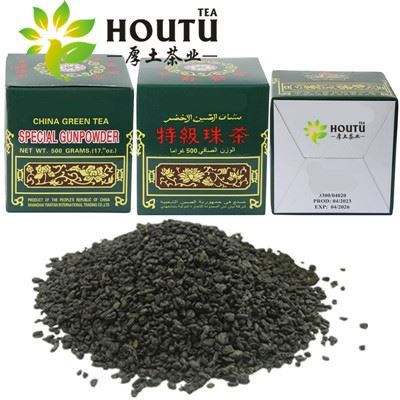
Image source: HOUTU TEA public image library
Why tearooms mattered
Historic England notes that teetotal cafés and tearooms offered alternatives to pubs and later supported political meetings, including women's suffrage organising. A beverage became part of a new public environment.
Why the story matters
A category grows when it replaces an occasion, not only a product. Tea competed with alcohol partly by offering another way to meet, talk and spend time.