TEA KNOWLEDGE · ARTICLE 39
The heating method helps shape the identity of green tea
Pan-firing and steaming create recognisably different aromas, colours and cup experiences.

Heating the fresh leaf early is a defining step in green-tea production.
Both methods limit oxidation, but they create different styles
Soon after harvest, green tea leaves are heated to reduce enzymatic oxidation. Two major approaches are pan-firing and steaming. Chinese green teas are often associated with pan-firing, while many Japanese green teas are associated with steaming.
The method affects aroma, colour, leaf appearance and the way the tea feels in the cup. Neither method is automatically superior; they create different consumer experiences.
| Feature | Pan-fired green tea | Steamed green tea |
|---|---|---|
| Typical aroma | Roasted, chestnut-like, bean-like or nutty. | Fresh, vegetal, seaweed-like or grassy. |
| Leaf colour | Often olive to dark green. | Often brighter green. |
| Cup character | Warm, rounded or toasted. | Fresh, vivid and vegetal. |
| Common market image | Traditional Chinese style. | Traditional Japanese style. |
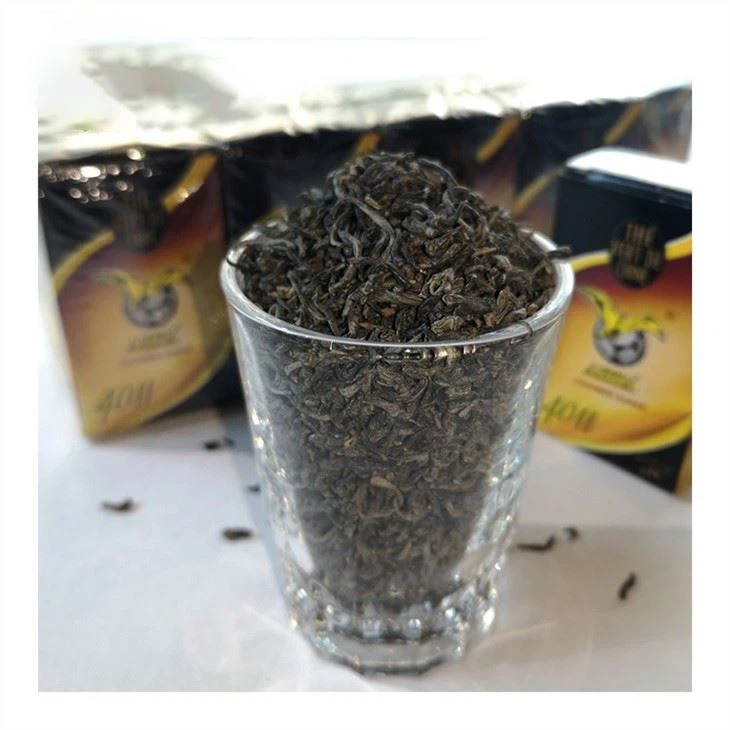
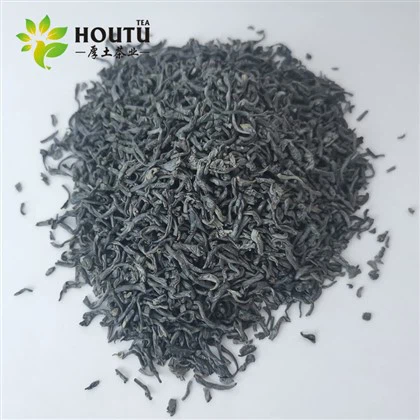
Chunmee is one example of a pan-fired Chinese green-tea tradition.
Why heat creates roasted aromas
Research on green-tea processing shows that thermal reactions can generate pyrazines and other aroma compounds associated with roasted, bean-like and chestnut-like notes. The exact result depends on temperature, leaf condition and drying.
How to choose the right style
✓
Choose pan-fired styles for customers who enjoy toasted or nutty character.
✓
Choose steamed styles for customers who prefer vivid green and vegetal notes.
✓
Compare aroma and aftertaste, not only colour.
✓
Use a brewing method suited to the leaf.
✓
Match the style to the market's current tea habits.

A side-by-side tasting makes the processing difference easier to understand.
Simple distinction
Pan-fired and steamed describe processing direction, not a complete quality grade.
Looking for a classic Chinese pan-fired green tea?
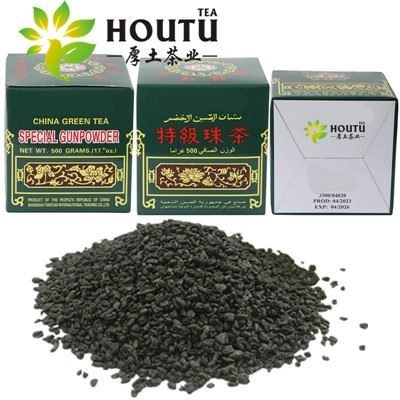
Jessie can arrange Chunmee and Gunpowder samples at different strength and price positions for your market.
jessie@hoututea.com · +86 18888798057
Reference basis: Peer-reviewed studies comparing pan-fire and steam fixation, plus research on roasted green-tea aroma compounds.