TEA KNOWLEDGE · ARTICLE 67
There is no single correct strength for every market
The right tea is the style that remains enjoyable under the consumer's real preparation method.
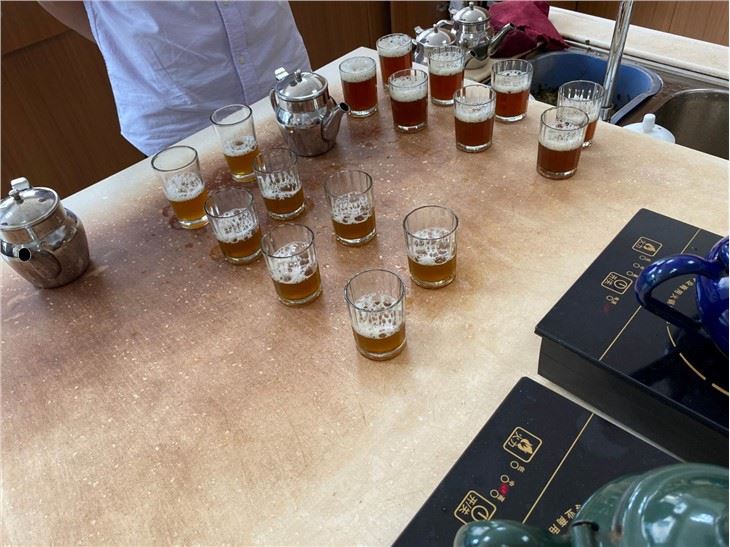
Mild, brisk and strong describe the drinking experience, not universal quality grades.
Strength language should describe the cup
A mild tea feels gentle and easy. A brisk tea feels lively and refreshing. A strong tea has more body, intensity or bitterness. These styles can all be good when they match the consumer and preparation.
The same tea can also move from mild to strong when more leaf, hotter water or longer time is used. Product choice and brewing recipe must therefore be discussed together.
| Style | Typical impression | Possible use |
|---|---|---|
| Mild | Soft aroma, gentle body and low harshness. | New drinkers, plain service or light meals. |
| Brisk | Fresh, active and slightly astringent. | Everyday drinking and refreshing cups. |
| Strong | Deep colour, full body and clear intensity. | Mint, sugar, shared pots or strong local preference. |
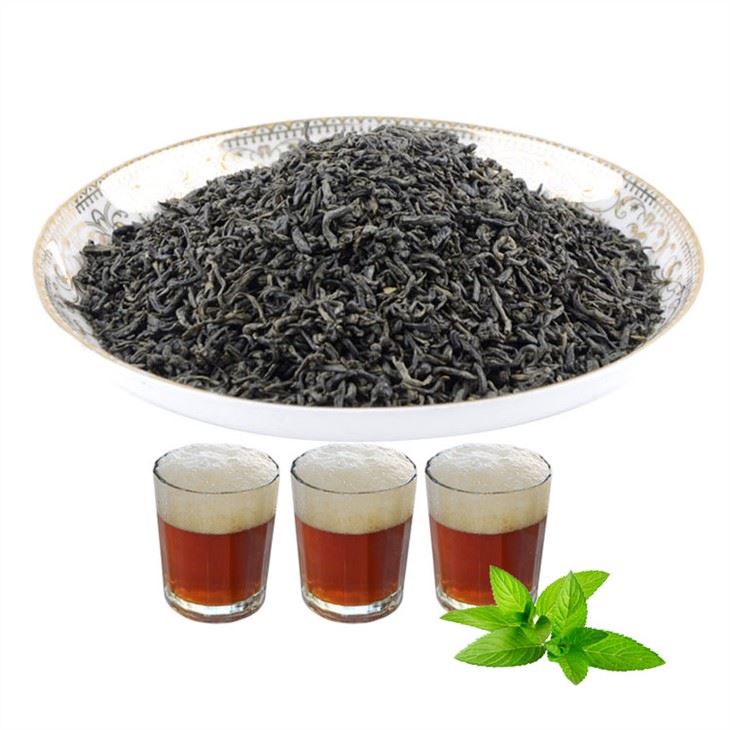
A strong style can remain clean and balanced when brewed correctly.
Choose from the consumer backwards
✓
Ask how the tea is prepared.
✓
Identify whether sugar, mint or lemon is added.
✓
Compare the leading local brands.
✓
Test several strength levels at the same price position.
✓
Record which sample creates the best repeat-cup response.
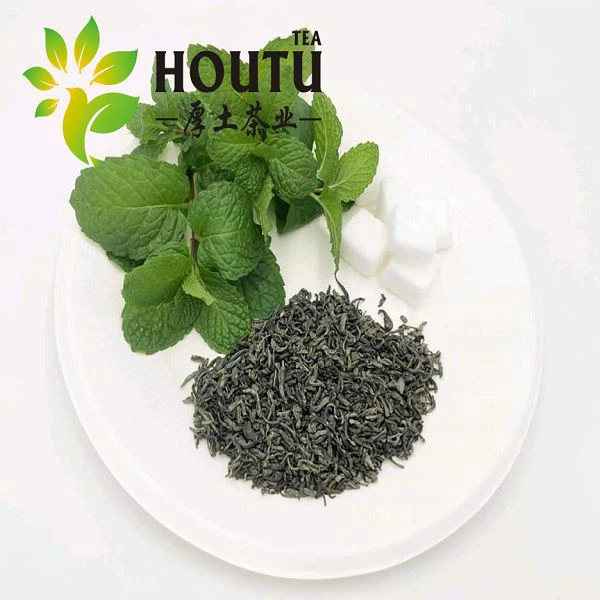
Ingredients and serving rituals change the strength required from the base tea.
Avoid vague buying language
Instead of asking only for "good quality," ask for mild, brisk or strong tea with a specific liquor colour and price range.
Which green-tea style fits your market?
Send Jessie the local recipe, preferred strength, pack size, target price and expected volume.
jessie@hoututea.com · +86 18888798057
Reference basis: ISO sensory-preparation principles, green-tea consumer studies and research on brewing conditions and taste intensity.