Lahpet: Why Myanmar Eats Tea as Well as Drinks It

Jul 28, 2026

Leave a message

Sophia Xu
Sophia Xu
Sophia is an experienced tea taster at Shengzhou Houtu Tea Co., Ltd. She has a sharp palate and can accurately evaluate the taste and quality of various green teas, providing valuable opinions for the company's production.
TEA STORIES THROUGH TIME · ARTICLE 136
Lahpet: Why Myanmar Eats Tea as Well as Drinks It

How one tea culture turns the leaf itself into the centre of the dish.

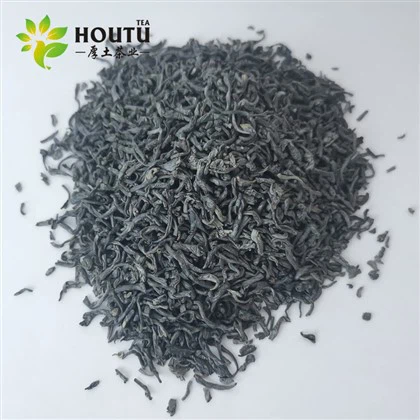
Fresh tea leaves before processing
Tea can be transformed for eating as well as infusion.
Image source: HOUTU TEA public image library
For most tea drinkers, the leaves are removed. In lahpet, the leaves are the food.

From leaf to fermented ingredient

Lahpet is made from tea leaves that undergo fermentation before being seasoned or combined with other foods. The most internationally familiar form is lahpet thoke, a salad that may include cabbage, nuts, seeds, garlic, chilli and other ingredients.

Recipes and production methods vary. The important distinction is that the tea leaf contributes texture, acidity, bitterness and aroma directly to the dish.

Hospitality and social meaning

Lahpet can be offered to guests and shared during gatherings. Historical and cultural writing also associates pickled tea with reconciliation and formal exchange, although exact practices differ by period and community.

The dish shows that "tea culture" should not be defined only by cups and kettles.

Fermentation as preservation and flavour

Microbial and enzymatic changes soften the leaf and create a new flavour profile. Good production must balance fermentation with hygiene, moisture control and storage.

The tea leaf is eaten rather than discarded.
Fermentation changes texture and flavour.
Lahpet thoke combines tea with crunchy and fresh ingredients.
The food carries hospitality and identity as well as nutrition.
No single universal salad
Commercial and household lahpet recipes differ greatly. A responsible description should not label one restaurant version as the only authentic formula.
Primary source spotlight
Open-access food research examines the microbiology and cultural role of Myanmar fermented tea leaves.
Open source
Exploring tea beyond the standard cup?
Contact Sophie to discuss tea bases, flavour profiles and market education.
Email SophieWhatsApp Sophie
jessie@hoututea.com · +86 18888798057
Send Inquiry
Contact us if have any question

You can either contact us via phone, email or online form below. Our specialist will contact you back shortly.

Contact now!