TEA FOR DIFFERENT MARKETS · ARTICLE 177
Iced Green Tea: Choosing a Tea That Still Tastes Balanced When Cold
The cold cup should be selected as its own product, not treated as yesterday's hot tea with ice.

Cold-service development begins by comparing several base teas under one controlled recipe.
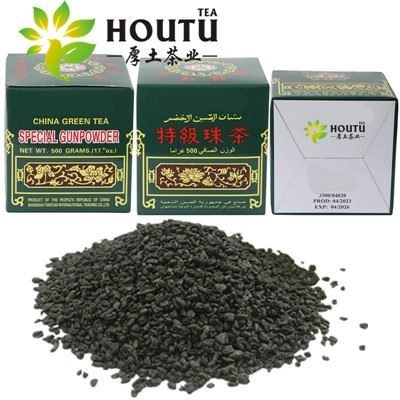
Illustration: HOUTU TEA public image library
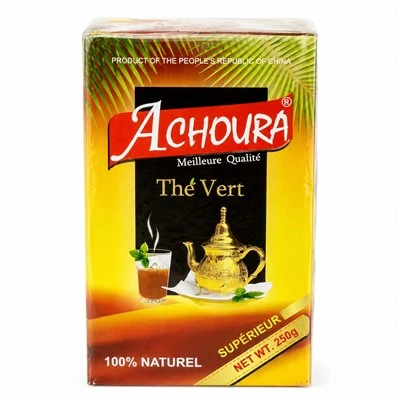
Illustration: HOUTU TEA public image library
Cold brewing changes extraction
Recent metabolomics research on cold-brewed green tea found slower extraction of several bitter compounds and different aroma development compared with hot brewing. A 2026 study also showed that water mineral composition can materially change colour, bitterness and sweetness in cold-brewed green tea.
Iced tea and cold brew are not the same
| Method | Key challenge |
|---|---|
| Hot brew poured over ice | Dilution and rapid cooling can flatten aroma. |
| Hot brew, then refrigerate | Long holding can change freshness and colour. |
| Cold brew | Needs longer extraction time and refrigerated handling. |
| Sweetened iced tea | Sugar and flavouring can hide a weak or rough base tea. |
What to test
✓
Taste the drink fully chilled.
✓
Check colour after several hours.
✓
Compare with and without lemon or sugar if used.
✓
Use the actual serving water.
✓
Evaluate aroma at drinking temperature, not only while brewing.
Do not assume "less bitter" means better
Cold extraction can soften bitterness, but the final drink still needs enough aroma, body and freshness to avoid tasting like coloured water.

The best cold-service tea balances leaf character with the intended extraction method.
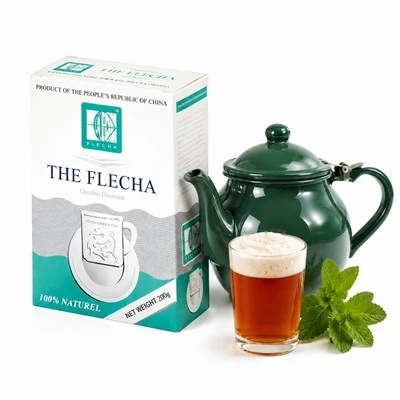
Illustration: HOUTU TEA public image library
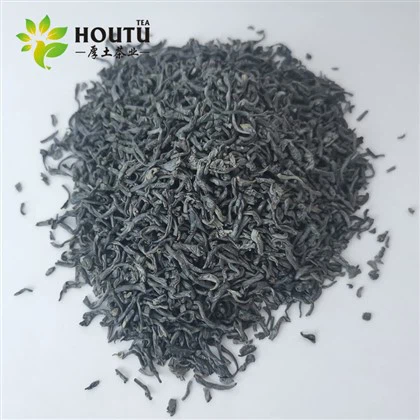
Illustration: HOUTU TEA public image library
Sources and further reading
Developing iced or cold-brew green tea?
Tell Sophie whether the drink is hot-brewed over ice, refrigerated or cold-brewed, plus the target sweetness and serving volume.
Email SophieWhatsApp Sophie
jessie@hoututea.com · +86 18888798057