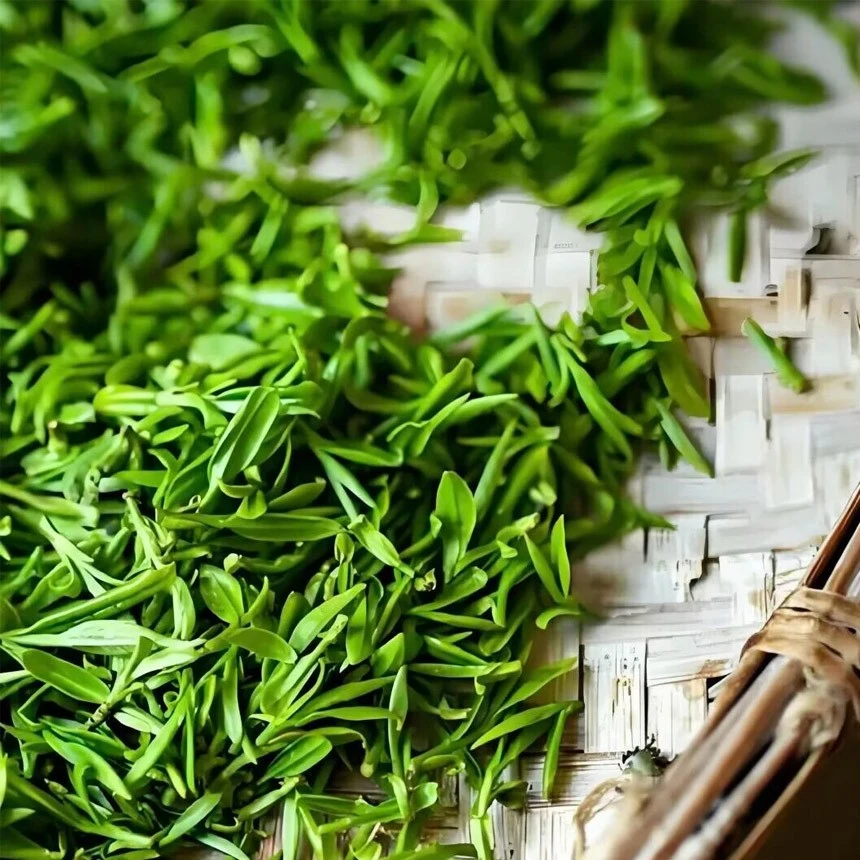
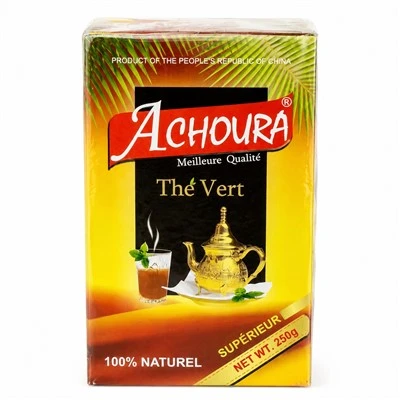
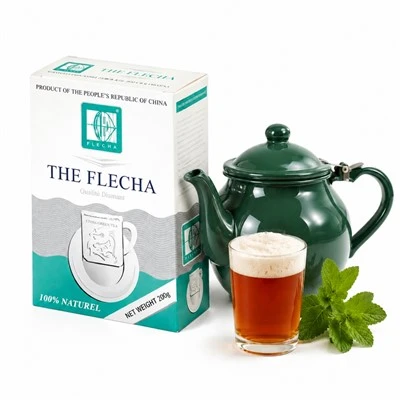
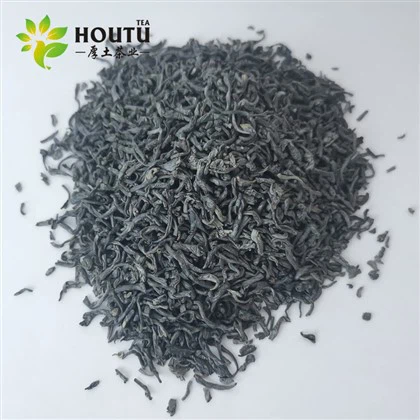
Appearance is the most intuitive reflection of tea quality. High quality tea strips are tightly tied and even, with a uniform thickness and few broken pieces, like high-quality Longjing flat and smooth, straight and neat; Poor quality tea is loose, broken, of varying sizes, and in a disorderly shape. Tenderness is equally important. Good tea has plump buds, abundant tender leaves, and high freshness and freshness; Poor quality tea has withered and thin buds, more old leaves and thick stems, and a bitter taste. In terms of color, good tea is uniform and bright, while green tea is tender green, black tea is dark and smooth, and oolong tea is even and shiny; Poor quality tea is dull, gray, and has a messy color, and even shows mold spots, blackening, and yellowing. It is mostly aged or spoiled tea.
Aroma is the soul of tea, and the differences in quality are very obvious. High quality tea has a pure and natural aroma, green tea has chestnut or light fragrance, black tea has honey and sweet fragrance, and oolong tea has a rich and long-lasting aroma; Poor quality tea often has off flavors such as burnt, moldy, sour, and stale. Some have a pungent and strange aroma, which is often caused by improper processing or storage deterioration. Good dried tea has a fragrance, and after brewing, the aroma is long-lasting and rich in layers; Poor quality tea has a weak aroma and disperses when it enters water, even without any tea fragrance, leaving only miscellaneous flavors.
Taste is the ultimate criterion for judging the quality of tea. High quality tea soup has a harmonious and full taste, with fresh and refreshing green tea, warm and sweet black tea, and obvious aftertaste of oolong tea. After drinking, the throat is refreshed and the body feels comfortable. Poor quality tea is either bland like water, with a strong water flavor, or bitter and intense, stimulating and locking the throat. Some also have uncomfortable tastes such as sourness and mold decay, and the mouth becomes sticky after drinking, with no aftertaste.
In addition, there are several details to pay attention to when making a purchase. Most famous teas with low prices are unreliable, and the cost of picking and producing high-quality tea is relatively high. If they are too cheap, there is often a situation of passing off inferior tea as good. Tea leaves are sensitive to moisture and odors, and improper storage can easily lead to spoilage. Even if the original quality is good, it can only be considered inferior tea if it becomes damp and moldy. The bottom of brewed tea leaves can also indicate a problem. Good tea leaves have a soft, bright, and even bottom, while poor quality tea leaves are hard, brittle, and broken, with a dull color.
By learning the above methods, whether it is daily tea shopping or in store tasting, one can quickly distinguish between good and bad tea, stay away from inferior tea, and drink with peace of mind and comfort.