TEA KNOWLEDGE · ARTICLE 45
A good tasting turns personal preference into a useful buying decision
The method does not need to be complicated. Consistent preparation and simple questions create the most valuable feedback.

A simple tasting works best when all samples are prepared in the same way.
Keep the tasting focused
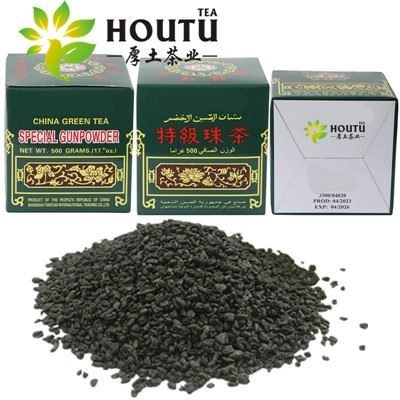
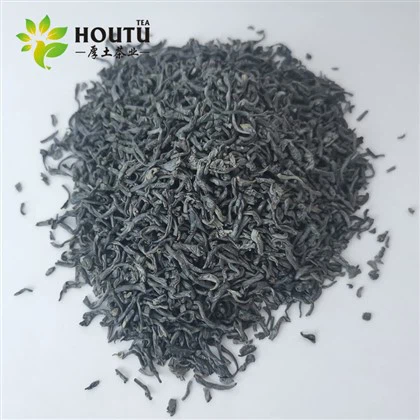
Three samples are usually enough for a useful customer tasting. Too many cups can create fatigue and make differences harder to remember. Choose samples that answer a clear question, such as mild versus strong, Chunmee versus Gunpowder or two pack-price positions.
Prepare every sample equally
| Control | Why it matters |
|---|---|
| Tea weight | Prevents one cup from appearing stronger only because more leaf was used. |
| Water volume | Keeps concentration comparable. |
| Water source | Avoids mineral differences between cups. |
| Temperature and time | Makes extraction fair. |
| Cup type | Keeps colour and aroma comparison consistent. |
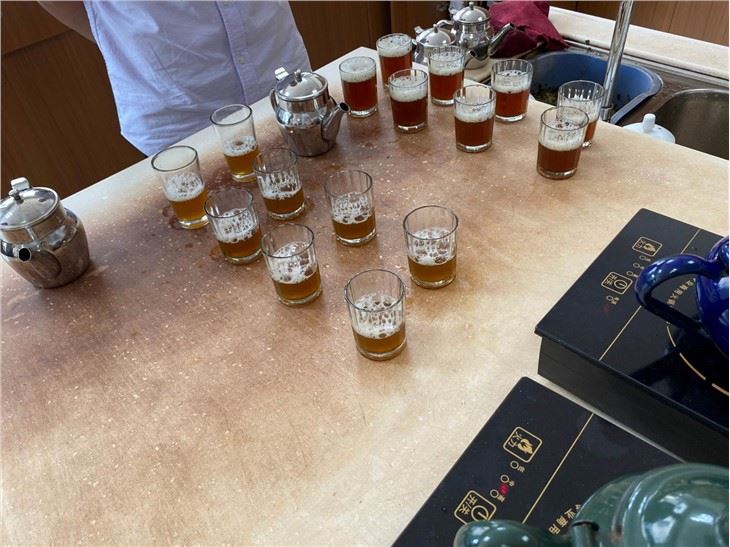
A consistent preparation turns customer comments into useful product feedback.
Ask simple questions
✓
Which aroma do you prefer?
✓
Which cup has the right strength?
✓
Which aftertaste feels cleaner?
✓
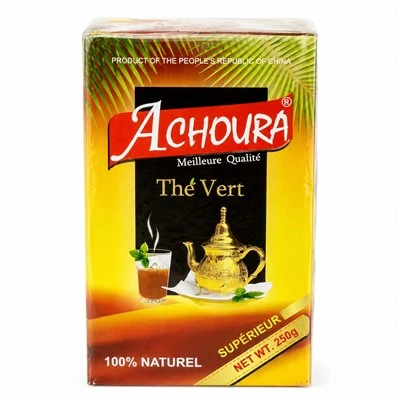
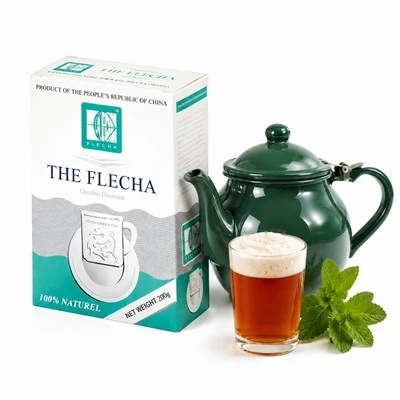
Which tea works best with mint or sugar?
✓
Which product fits the expected retail price?
Taste plain before adding ingredients
Plain tasting reveals the tea itself. A second round with sugar, mint or the local preparation shows how the product performs in real use. Both results are important.

A tasting creates conversation and helps buyers explain market preferences.
Record the decision
Write down the sample code and key comments immediately. Memory becomes unreliable when several similar teas are tasted.
Would you like a three-sample comparison for your market?
Send Jessie the preferred strength, current benchmark, pack size and price range. A focused sample set can be prepared.
jessie@hoututea.com · +86 18888798057
Reference basis: ISO tea sensory-preparation principles and general consumer sensory-testing practice.