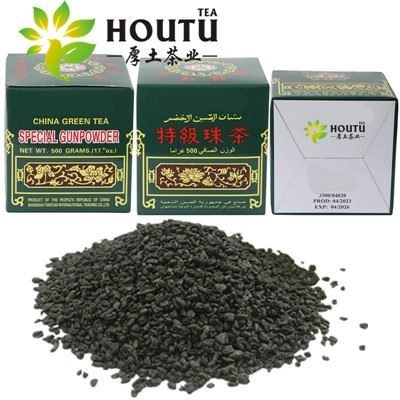
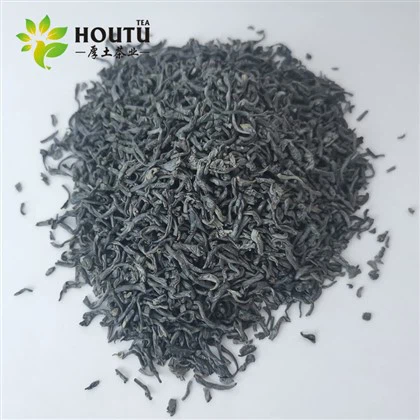
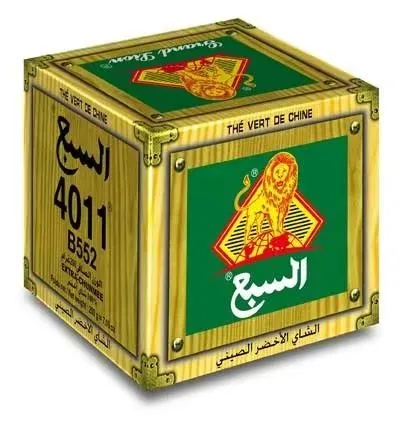
Green tea is non-fermented tea. It is China's highest-output and longest-historical tea category. Cool in nature, it retains the maximum natural substances from fresh tea leaves, featuring a fresh, brisk and mellow taste with distinctive bean aroma or chestnut fragrance. It is divided into four groups by processing techniques:
• Pan-fired green tea: Dried by stir-frying in woks with rich, prominent aroma. Representatives: West Lake Longjing (bean aroma), Biluochun (floral & fruity aroma).

• Baked green tea: Dried over charcoal or hot air with bright liquor. Representatives: Huangshan Maofeng, Liu'an Guapian (pure leaf without buds and stems).

• Sun-dried green tea: Dried under direct sunlight with rich and solid flavour. Representative: Yunnan Dianqing (raw material of raw Pu-erh tea).

• Steamed green tea: Steamed by steam, delivering fresh briskness with subtle seaweed note. Representative: Enshi Yulu (a rare premium steamed green tea in China). Brewing Tip Do not brew with boiling water (100°C), otherwise the tea will taste bitter and astringent. Recommended water temperature: 80–85°C. Tea-water ratio: 1:50. Glass cups or white porcelain gaiwans are ideal choices.


You can watch tea leaves unfurl while enjoying its fresh flavour. Green tea is cool and rich in tea polyphenols. It works well to clear internal heat in summer for people prone to getting inflamed. Nevertheless, people with weak cold stomach should avoid drinking it, especially on an empty stomach. Warm-natured black tea will be a better alternative.