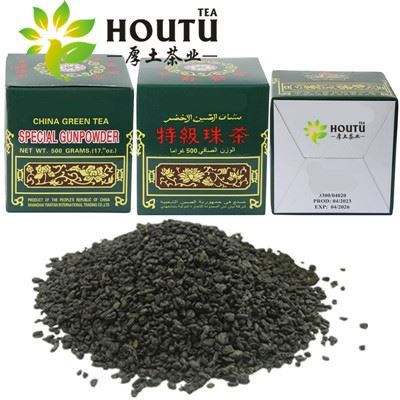
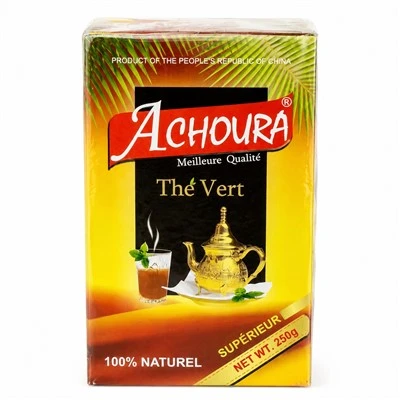
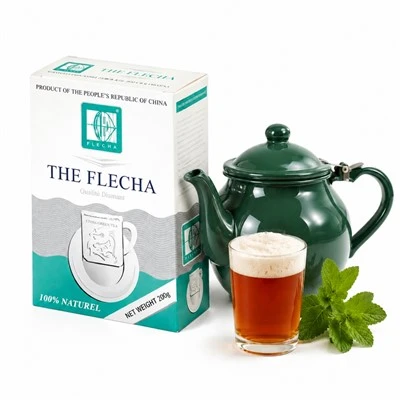
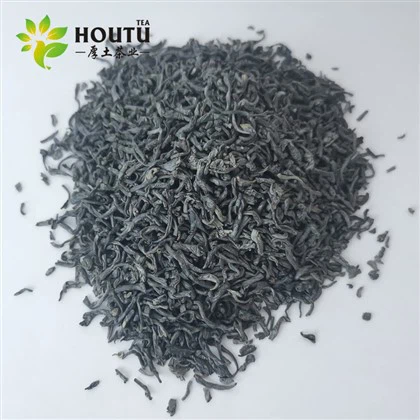
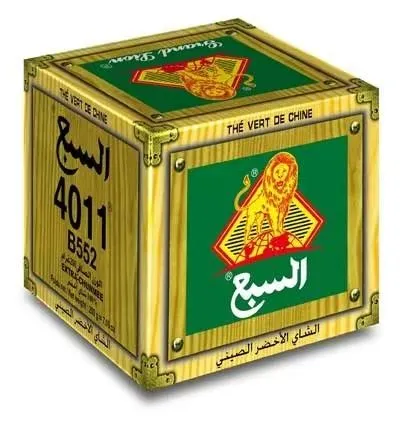
Global green tea importers follow completely different inspection rules, creating segmented market thresholds for Chinese Chunmee and Gunpowder bulk tea exporters. Understanding regional standard differences is the core key to avoiding customs rejection, cargo detention and trade disputes across EU, North African and Central Asian markets.

The EU holds the most stringent entry standards worldwide 🛡️. It adopts updated MRL (Maximum Residue Limit) rules covering over 290 pesticide items. Any unqualified batch will trigger RASFF alerts, leading to return or destruction. EU buyers also require complete agricultural traceability and full lab test reports, making zero-residue management the basic entry requirement for European green tea trade.
North African markets including Morocco and Algeria focus more on sensory quality while tightening safety inspection year by year. Local customs strictly check tea color, cleanliness, dust content and brewing endurance, which perfectly matches the characteristics of traditional mint tea culture. Although their pesticide standards are looser than the EU, random sampling intensity is continuously rising for large-volume Chunmee and Gunpowder bulk shipments.
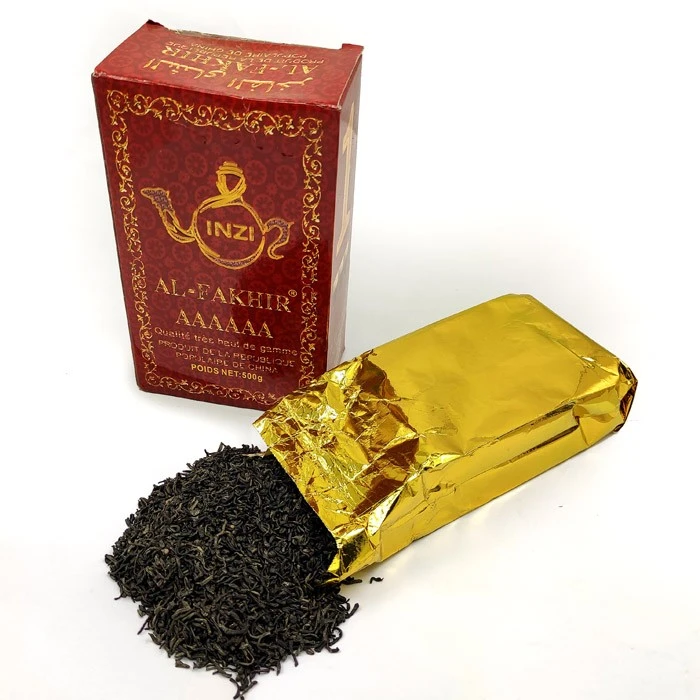
Uzbekistan and other Central Asian countries implement moderate and stable import regulations. They prioritize official quarantine certificates and complete customs documents. Pesticide detection is not mandatory for every batch currently, but food safety awareness is rapidly improving. More local importers begin requesting pre-shipment test reports to ensure long-term supply stability.
For B2B exporters, classified production and differentiated delivery strategies are essential. Separating EU-grade high-standard tea from conventional bulk tea for Africa and Central Asia can effectively reduce compliance risks and maximize market adaptability.