Two Pathways of Aroma Formation
. Green tea is non-fermented tea, and its aromatic substances are mainly produced through two pathways.
1. Retention and transformation of inherent aromatic components in fresh tea leaves
Low-boiling-point substances such as leaf aldehyde and leaf alcohol volatilize massively during fixation, leaving a fresh green scent. Some terpenoid glycosides undergo hydrolysis under hot and humid conditions, releasing free floral aromatic compounds.

2. New aromas generated during thermal processing
High temperatures in fixation and drying trigger the Maillard reaction (reactions between amino acids and reducing sugars) and caramelization (thermal decomposition of carbohydrates), producing heterocyclic compounds including pyrazines, furans and pyrroles.
Essentially, all distinct aroma profiles are outcomes of these two pathways under different processing parameters.

Bean Aroma: Maillard Products from High-Temperature Quick Stir-Frying
Processing features: High-temperature fixation + pot polishing
The pot temperature for fixation reaches 180–220°C. Fresh leaves are stirred rapidly once put into the pot to evaporate moisture quickly.
During polishing, the tea leaves are grasped, pressed and rubbed continuously in the hot pot at 80–100°C for 10 to 20 minutes.
Aroma source
High heat accelerates the Maillard reaction between amino acids (especially theanine and glutamic acid) and reducing sugars, generating pyrazine compounds such as 2-methylpyrazine, 2,5-dimethylpyrazine and 2-ethylpyrazine. These compounds deliver typical roasted nut and roasted bean notes.
The "roasted bean aroma" is a mild roasted scent rather than burnt odor. Excessively high temperature or prolonged heating leads to overproduction of pyrazines alongside caramelization byproducts, creating a bitter burnt taste.
Key control points: Start fixation at high temperature then lower the heat. During polishing, keep turning the tea leaves constantly to ensure even heating and avoid local overheating.
Chestnut Aroma: Sweet Scent from Medium-Temperature Slow Drying
Processing features: Medium-temperature fixation + oven drying (instead of pan-frying)
Fixation temperature is controlled at 140–160°C (20–40°C lower than that for bean-scented green tea), with a slightly longer processing time.
For drying, hot air or charcoal baking is adopted at 80–100°C for over 30 minutes.
Aroma source:
Under medium-temperature slow drying, the Maillard reaction proceeds moderately, mainly forming furan and pyrrole compounds including furfural, furanone and 2-acetylfuran, which create sweet chestnut flavors. Meanwhile, mild caramelization of carbohydrates brings a smooth sweet aftertaste.
Comparison with bean aroma: Chestnut aroma is milder and sweeter without the sharp roasted note. For fresh leaves of the same tea cultivar, pan-frying yields bean aroma while oven drying produces chestnut aroma - the drying method determines the main scent.
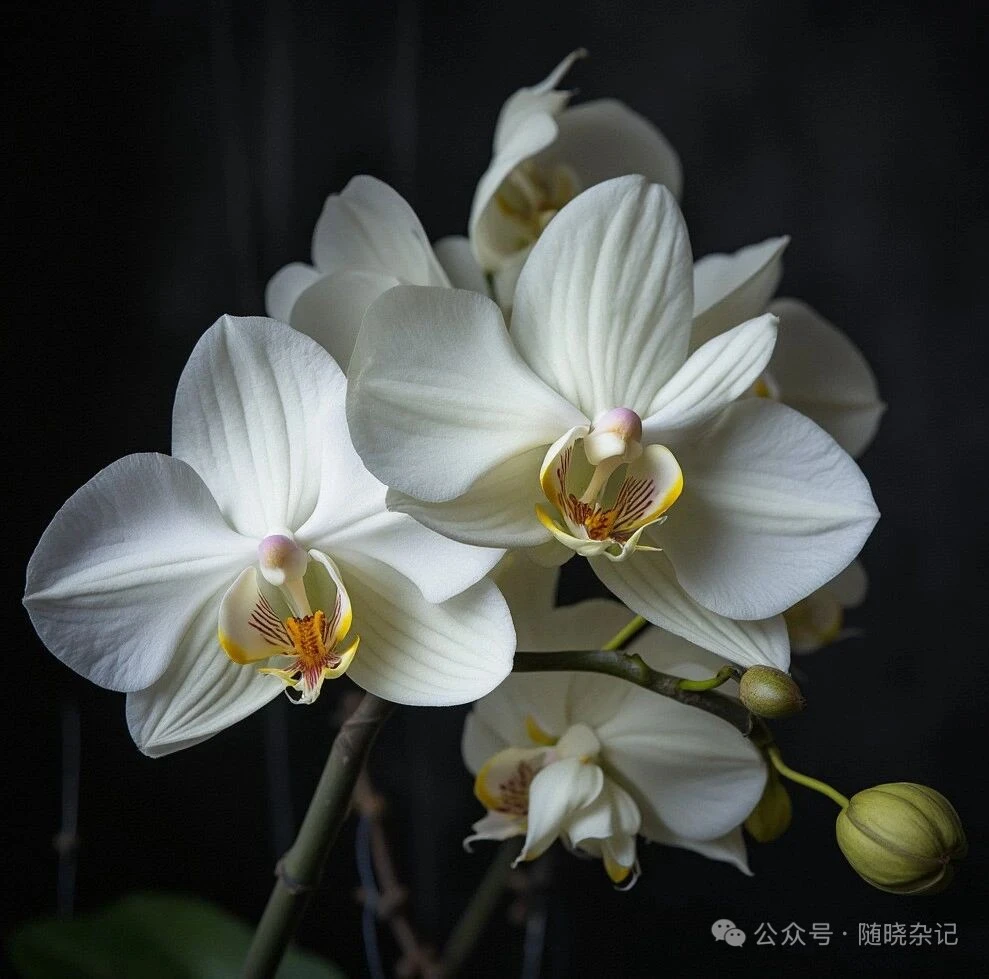
Orchid Aroma: Combination of Tea Cultivar Traits & Low-Temperature Long-Time Drying
Processing features: Low-temperature fixation + light rolling + prolonged low-temperature drying
Fixation is carried out at 120–140°C to prevent high heat from destroying aroma precursors. Extremely light rolling minimizes cell damage, preserving more terpenoid glycosides.
The final drying step lasts several hours at a low temperature of 60–80°C, allowing endogenous glycosidases to slowly hydrolyze and release free aromatic substances.
Aroma source:
Orchid fragrance originates primarily from terpenols and their oxides, including linalool (lily of the valley scent), geraniol (rose scent), nerolidol (floral woody scent) and α-ionone. These compounds exist as non-volatile glycoside conjugates in fresh tea leaves. Only under moderate heat, humidity and enzymatic activity (low-temperature prolonged drying or slight withering) can they be hydrolyzed into free volatile molecules.
Why orchid aroma is rare in green tea
Standard green tea processing involves high-temperature fixation that deactivates glycosidases, making mass production of orchid notes difficult.
Only tender raw materials, precise low-temperature fixation and hours of mild drying can retain and convert a small amount of orchid aromatic compounds.
In addition, specific tea cultivars (certain individual plants within the Longjing group cultivar) naturally contain high levels of terpenoid glycoside precursors - this explains why Lion Peak Longjing occasionally carries subtle orchid fragrance.
Important distinction: Most commercially labeled "orchid-scented green tea" only has faint floral hints mixed with bean or tender green notes, which are just sensory associations rather than concentrated authentic orchid aroma. Truly high-orchid-fragrance green tea is extremely rare.

Identification of Different Aromas
1. Bean aroma: Warm and full, resembling roasted soybeans. Distinguish it from burnt aroma, which carries bitter undertones and scorched spots on brewed leaves - a processing defect.
2. Chestnut aroma: Smooth and gentle, akin to sugar-roasted chestnuts. Mostly found in oven-dried green tea; the scent is understated yet long-lasting.
3. Orchid aroma: Elegant and subtle, faint yet lingering. Tea liquor with genuine orchid aroma usually features an extremely smooth texture and lasting sweet aftertaste. There is no need to pursue this scent deliberately, as green tea with authentic orchid notes is hard to come by.