TEA FOR DIFFERENT MARKETS · ARTICLE 174
E-Commerce Green Tea: What Customers Need to Understand Before Buying
On the internet, the product page becomes part of the tea.

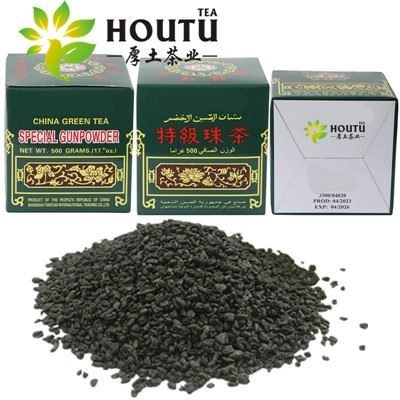
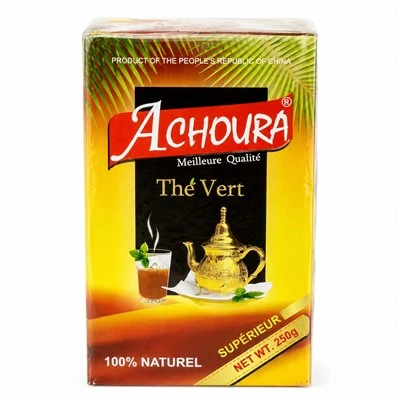
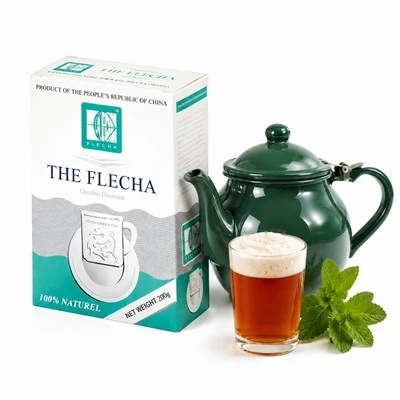
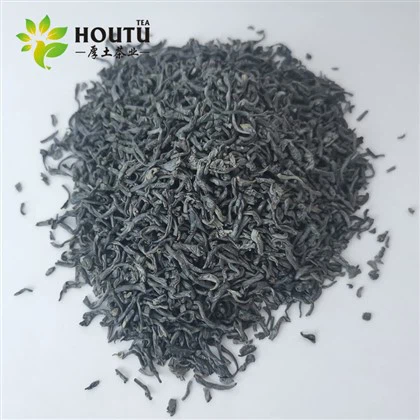
Online customers need clear dry-leaf photography and sensory explanation because they cannot smell the product before purchase.
Illustration: HOUTU TEA public image library
Illustration: HOUTU TEA public image library
What disappears online
A physical tea shop can let a customer smell dry leaf, ask questions and compare tins. E-commerce removes most of those sensory cues. Clear photography, flavour language and brewing instructions therefore carry more weight.
The minimum useful product page
| Element | What it should answer |
|---|---|
| Tea type | Is it Chunmee, Gunpowder, jasmine, blended or flavoured? |
| Taste | Is it mild, brisk, roasted, floral, strong or astringent? |
| Brewing | How much tea, what temperature and how long? |
| Pack | Net weight, bag type, inner protection and resealing. |
| Origin / supplier | Where is it produced and who is responsible for it? |
| Compliance | Relevant certification or organic status, if genuinely applicable. |
Do not use health claims as a shortcut
European tea trends often connect green tea with wellness, but a product page should not turn general consumer perception into unsupported medical claims. Describing flavour, preparation and product facts is both safer and more useful.
✓
Use photos that show scale.
✓
Show brewed liquor, not only dry leaf.
✓
Write instructions for an ordinary kitchen.
✓
Explain whether the product is loose leaf or bags.
✓
Make delivery and storage guidance easy to find.
Digital discovery is real
Recent UK and Dutch market reporting highlights social media and e-commerce as routes through which consumers encounter new tea styles. That makes accurate education a commercial asset.
Sources and further reading
Building an online green-tea product?
Tell Sophie the product format and target customer. Samples, photos and brewing guidance should tell the same story.
Email SophieWhatsApp Sophie
jessie@hoututea.com · +86 18888798057