How the shape of one glass became part of a national language of welcome.

Image source: HOUTU TEA public image library
The pear-shaped glass
The Azerbaijani armudu glass narrows in the middle and widens at the top and bottom. The form makes the colour visible and gives the service a distinctive identity.
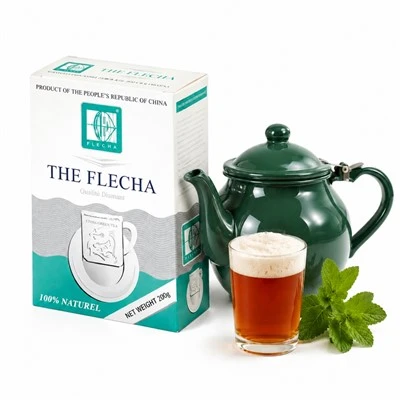
Tea is commonly served hot and fresh, often with sugar, jam, dried fruit or lemon. Guests may take sweetness separately rather than mixing it directly into the glass.
Samovar and social time
A samovar keeps hot water available for repeated preparation and refilling. Its practical value supports the social pattern: the tea table can continue without the host ending the conversation to restart the entire process.
Tea appears in daily visits, family gatherings, weddings and public hospitality.
A shared but not identical heritage
UNESCO's joint Azerbaijani–Turkish inscription recognises connected tea cultures while allowing regional difference. Azerbaijan's armudu glasses, preserves and herb additions give its practice a distinct character.