According to the latest authoritative statistics released by the General Administration of Customs, China's tea import and export trade in the first three quarters of 2026 (January–September) exhibited a distinct pattern of 'declining volume, rising prices and structural optimisation':
Total export volume: 294,000 metric tonnes, down 3.9% year-on-year;
Total export value: US$1.16 billion, up 3.2% year-on-year;
Average export price: US$3.90 per kilogram (equivalent to approximately RMB 27.8 per kilogram), up 7.4% year-on-year.
1. Green tea forms the bedrock of the market, with average prices rising steadily
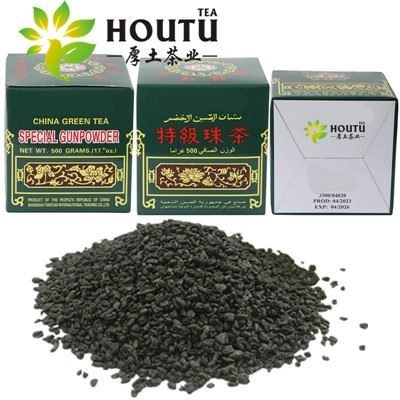
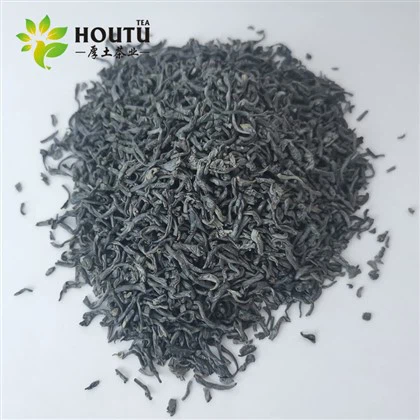
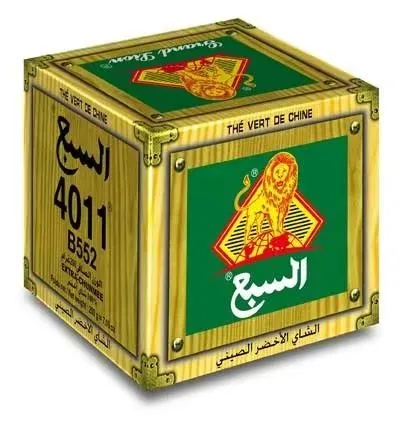
Share of total volume: Green tea remains the absolute mainstay of China's tea exports, accounting for over 85 per cent of total exports (such as traditional Mei tea and Zhu tea).
Performance Characteristics: Whilst the export volume of traditional bulk raw tea has contracted slightly due to overseas macroeconomic inflation and inventory destocking cycles, the unit prices of premium green tea and steamed green tea-which comply with EU and international standards for low pesticide residues-have risen significantly, thereby supporting the stability of the overall value of green tea exports.
2. Strong Growth in Speciality and Value-Added Tea Categories
High-value-added categories: The penetration of white tea, premium oolong tea and renowned black teas in high-end overseas retail channels and the Chinese diaspora market continues to rise, with export unit prices generally reaching US$10–20 per kilogram or more.
Processed tea products and tea raw materials: The expansion of new tea beverage concepts into overseas markets (Southeast Asia, North America and the Middle East) has driven rapid growth in export volumes of matcha powder, instant tea powder, flavoured blended tea bases and tea concentrates, significantly boosting the average export value per unit of weight.
3. Diversification of Major Export Destinations
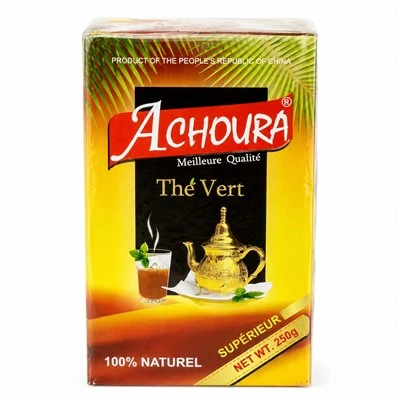
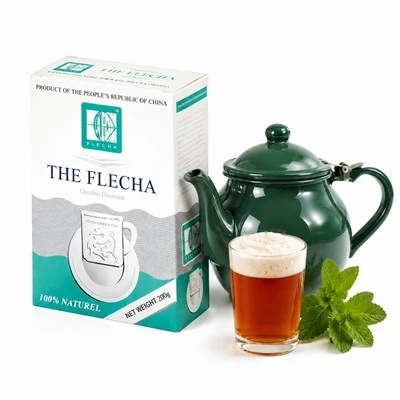
Traditional key markets (North Africa, Central Asia): Total demand in countries such as Morocco (China's largest export destination for green tea), Uzbekistan and Algeria remains robust, but requirements regarding blend consistency, taste and flavour, and delivery reliability have further increased.
Emerging growth markets (ASEAN, the Middle East, Europe and the US): Driven by the expansion of new tea beverage chains, the ASEAN market has seen robust demand for customised blended teas; whilst markets in Europe and the US have shown greater willingness to pay a premium for products with organic certification (USDA Organic, EU Organic), Rainforest Alliance certification and traceable digital tea garden products.