Africa's tea culture is deeply rooted in black tea, with green tea emerging as a "new tradition" over the past two decades. During the colonial era, European powers established tea plantations across the continent primarily to produce black tea, which was in high demand in their home countries.

As a result, black tea became the dominant tea variety in Africa, both for export and domestic consumption. Traditional African tea-drinking habits revolve around black tea, which is typically served hot with sugar and milk, a practice influenced by European colonial culture.
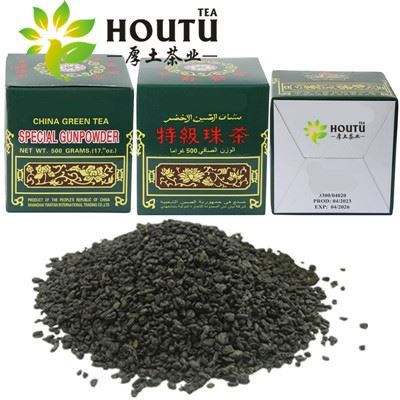
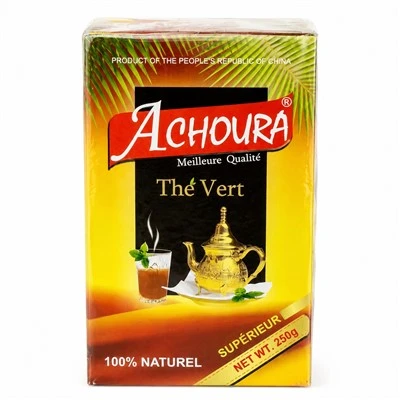
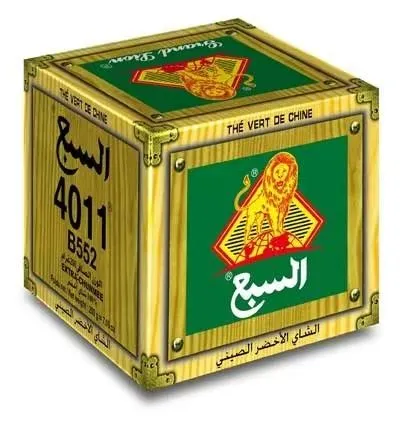
Green tea, on the other hand, was largely overlooked until the early 2000s, when global demand for healthy, natural beverages began to rise. Today, green tea is increasingly popular in Africa, particularly among younger generations, who are drawn to its health benefits and fresh flavor.
What was once a niche export product has become a growing part of Africa's tea tradition, with countries across the continent investing in green tea production and promoting its consumption both domestically and internationally.