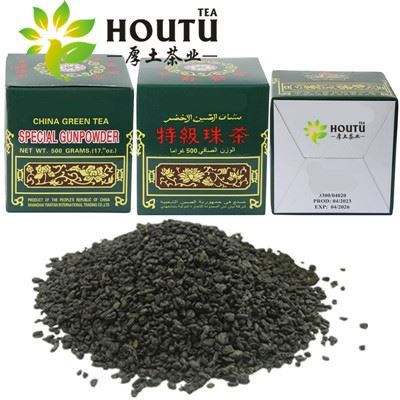
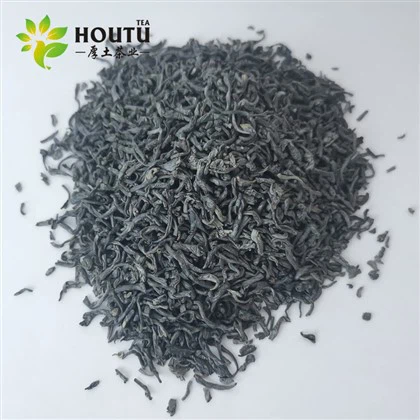
Nothing calms the senses like a cup of green tea. Since green tea contains small amounts of caffeine, green tea can provide you with an important pick-me-up at the end of the day.
Green tea is made from Camellia sinensis leaves and is native to China. The difference between green tea, black tea and oolong tea is that the leaves of green tea are not as easy to wither, ferment and oxidize as black tea and oolong tea. It is often combined with flavor additives such as jasmine, orange peel and dried tropical fruits.
Green tea is available in so many flavors and varieties that it has become one of the most popular tea varieties in the United States. In fact, it is one of the top three most popular tea varieties in the world, with 1.7 tons of green tea produced annually.
Want to enjoy the benefits of an earthy cup of tea? Check out our collection of the best green teas here.
Health Benefits of Green Tea

In addition to being a delicious and popular beverage, green tea has a variety of health benefits. This is why it has been used in traditional Indian and Chinese medicine for centuries.
Here we will share seven benefits of green tea.
Heart Health
Heart disease is one of the leading killers in the United States. Approximately 610,000 people die from heart disease in the United States each year. Twenty-five percent of the population dies from heart disease, a largely preventable disease.
While green tea isn't the only way to protect yourself from heart disease, it can be part of a broader strategy. In a study that examined 1,371 men over the age of 40, regular green tea consumption reduced the presence of several important markers that predict heart disease (1). Research shows that green tea can lower high blood pressure and lower harmful LDL cholesterol, a common risk factor for heart disease.
In a larger study of 40,530 people in Japan, these results were replicated among tea drinkers. Scientists in the Journal of the American Medical Association found that people who drank at least one cup of green tea a day were far less likely to die from cardiovascular disease than those who drank less than one cup a day. Researchers recommend drinking a small amount of green tea every day instead of coffee or soda to keep your heart healthy (2).
Green tea catechins are also known for their anti-inflammatory properties, which can help eliminate free radicals and prevent oxidative stress. These anti-inflammatory properties help reduce inflammation in blood vessels and arteries, which may lower blood pressure and reduce the risk of cardiovascular disease, including heart attack.
Loss Weight
If you're feeling a little heavier than you'd like, you're not alone. Obesity is a major problem in North America, with more than two out of every three people overweight (3). Being overweight is a huge problem and is linked to nearly every serious lifestyle health problem, including heart disease, stroke, and diabetes (4).
The good news is that obesity is preventable and depends largely on what you eat. Adding green tea to your diet can aid weight loss. Green tea extract contains an amino acid called L-theanine, which helps slow the absorption of caffeine. This results in a longer-lasting energy boost, helping to maximize the results of your workout. Green tea supplements are popular in the weight loss industry and may help with weight maintenance.

In a 2010 review, one researcher concluded that green tea helps burn fat by increasing the body's metabolism (5). Although researchers note that some ethnic groups may be more receptive to green tea's fat-burning abilities than others, green tea still has the potential to help burn fat. This is due to catechins, a compound found in green tea. When present in the blood, catechins enhance the body's fat oxidation and burning (6). What's more, green tea is a healthy alternative to other high-calorie drinks and foods. Simply swapping out a soda or snack for a cup of green tea can aid weight loss by consuming fewer calories.
Bone Health
Bone health becomes more and more of an issue as we age. Osteoporosis is a severe weakening of bones in the body caused by a metabolic imbalance that slows the formation of new bone tissue. Animal studies strongly suggest that green tea can promote new bone formation. In these animal studies, bones showed greater bone mass, volume, and thickness (7).
Another study showed that tea drinkers had higher bone density than non-tea drinkers (8). So while the jury is still out on whether green tea improves bone health, your chances of strengthening your bones by drinking green tea are very fair.
Vision Health
The catechins in green tea can help you prevent glaucoma and other eye diseases. Catechins, a group of antioxidants such as vitamin C, vitamin E, lutein and zeaxanthin, help protect the delicate tissues of the eye from cell damage. Catechins are absorbed into eye tissue and are used to combat problems that may lead to vision impairment or even blindness.
Cancer
Green tea has long been thought to prevent cancer. Research shows that drinking at least three cups of green tea can effectively slow down the process of cellular mutations and changes that can lead to cells becoming cancerous (9). This delays the onset of cancer by several years. The findings were strongest in certain types of cancer, including breast and prostate cancer. There is also good epidemiological evidence that people who drink green tea are less likely to die from cancer. Researchers point to the antioxidant epigallocatechin gallate (EGCG) as the main player behind these benefits of green tea.
According to the National Cancer Institute, multiple studies and meta-analyses suggest that drinking green tea may help prevent cancer by reducing the incidence of oxidative stress (10).
Memory Health
Green tea may contain something that may help keep our minds sharp as we age. In animal studies, mice drinking green tea significantly slowed memory decline. Other studies have demonstrated how green tea can improve spatial cognition and learning abilities (11). This suggests that green tea may reduce the brain's risk of memory disorders such as Alzheimer's and Parkinson's disease.
Blood Sugar
Keeping blood sugar at reasonable levels can be difficult. Today, we have a lot of sugar in our food, which can easily lead to insulin resistance and even diabetes. Green tea can help your blood manage glycemic load and control blood sugar levels.