Is green tea good for kidney health?
As a long - time green tea supplier, I've witnessed the surging popularity of green tea worldwide. Beyond its refreshing taste and cultural significance, green tea has been associated with numerous health benefits. One question that often comes up is whether green tea is beneficial for kidney health. In this blog, I'll explore the science behind it and share some insights.

The kidneys are vital organs responsible for filtering waste products and excess fluids from the blood, regulating electrolyte balance, and producing hormones that help control blood pressure and red blood cell production. Maintaining good kidney health is crucial for overall well - being.
Green tea is rich in bioactive compounds, primarily catechins, which are a type of flavonoid. The most abundant and well - studied catechin in green tea is epigallocatechin gallate (EGCG). These antioxidants have been shown to have anti - inflammatory, antioxidant, and potential anti - cancer properties in various research studies.
On the positive side, several studies have suggested that green tea may have a positive impact on kidney health. Firstly, the antioxidants in green tea can help combat oxidative stress. Oxidative stress occurs when there is an imbalance between the production of free radicals and the body's ability to neutralize them. This imbalance can lead to damage in the kidneys over time. Catechins in green tea can scavenge free radicals, reducing the risk of oxidative damage to kidney cells.
Research has also indicated that green tea may have anti - inflammatory effects. Inflammation in the kidneys can be a precursor to various kidney diseases, such as nephritis. EGCG has been demonstrated to suppress the production of inflammatory cytokines, which are signaling molecules that promote inflammation. By reducing inflammation, green tea may help protect the kidneys from chronic damage.
Another aspect is the potential of green tea to improve blood lipid profiles. High levels of cholesterol and triglycerides are risk factors for kidney disease. Some studies have found that regular consumption of green tea can lower total cholesterol and triglyceride levels, as well as increase high - density lipoprotein (HDL) cholesterol, the "good" cholesterol. By improving lipid profiles, green tea may contribute to better overall cardiovascular health, which is closely linked to kidney health.
Regarding the impact on blood pressure, green tea may have a role to play. High blood pressure is a major risk factor for kidney damage. The bioactive compounds in green tea can help relax blood vessels, leading to a reduction in blood pressure. Some clinical trials have reported modest decreases in both systolic and diastolic blood pressure among green tea drinkers. A lower blood pressure means less strain on the kidneys and a reduced risk of kidney disease.
However, it's important to note that there are also some potential concerns. Green tea contains oxalates, which are naturally occurring compounds that can contribute to the formation of kidney stones in some individuals. People who are prone to kidney stones may need to be cautious about their green tea consumption, as excessive intake could potentially increase the risk of stone formation. Although the amount of oxalates in green tea is relatively low compared to some other foods like spinach and rhubarb, it's still something to consider.
Another factor is the caffeine content in green tea. While the caffeine levels in green tea are generally lower than those in coffee, high doses of caffeine can increase urine production and potentially put stress on the kidneys. However, for most people, moderate consumption of green tea (a few cups a day) is unlikely to cause any significant problems in this regard.
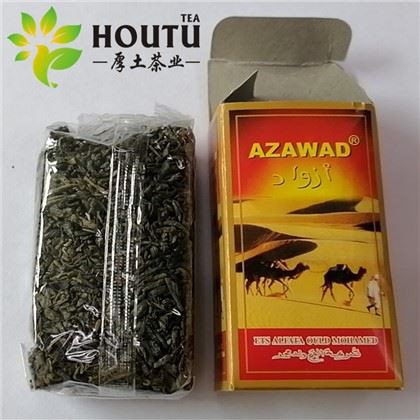
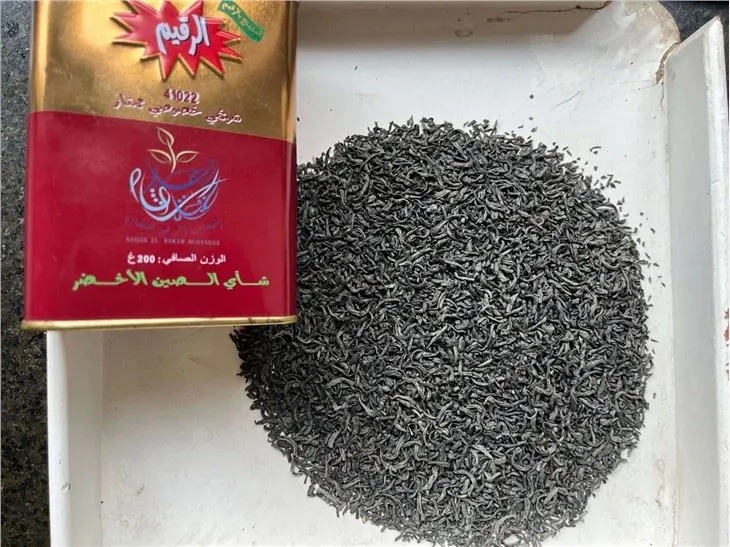
At our company, we offer a range of high - quality green teas, including Organo Gold Green Tea The Vert, Tea 3505aa, and Green Tea Gunpowder 3505 To Morocco. Our green teas are sourced from the finest tea plantations, ensuring that you get the maximum health benefits along with a delicious taste.
If you're interested in exploring the potential of green tea for kidney health or simply want to enjoy a great cup of tea, we'd love to have a conversation with you. Whether you're a retailer looking to stock our products or an individual interested in bulk purchases, we're here to assist you. Reach out to us for more information on our green tea products and start reaping the benefits of this amazing beverage.
In conclusion, green tea has the potential to be beneficial for kidney health due to its antioxidant, anti - inflammatory, and lipid - and blood - pressure - regulating properties. However, individuals with specific health concerns, such as a history of kidney stones, should consult a healthcare professional before making green tea a significant part of their diet. As a green tea supplier, I'm excited about the positive impact that our products can have on people's health, and I'm looking forward to serving your green tea needs.
References
- Higdon, J. V., & Frei, B. (2003). Tea catechins and polyphenols: health effects, metabolism, and antioxidant functions. Critical reviews in food science and nutrition, 43(1), 89 - 143.
- Hsu, Y. H., et al. (2004). Beneficial effects of green tea - a literature review. Journal of the American College of Nutrtion, 23(6), 590S - 599S.
- Nanri, A., et al. (2013). Visits to public baths and green tea consumption in relation to the prevalence of chronic kidney disease. American journal of Epidemiology, 178(8), 1311 - 1319.