1, When did Morocco come into contact with tea?
1. The Kingdom of Morocco is an Arab country in northwest Africa, bordering Algeria to the east and southeast, Western Sahara to the south, Atlantic Ocean to the west, and Spain and Portugal across the sea to the north.
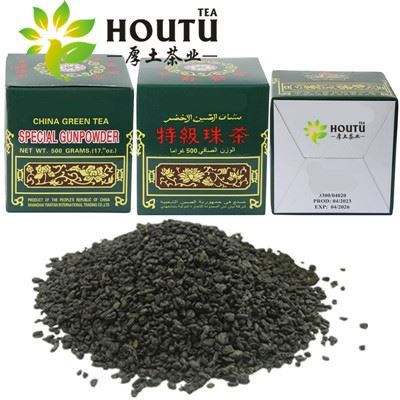
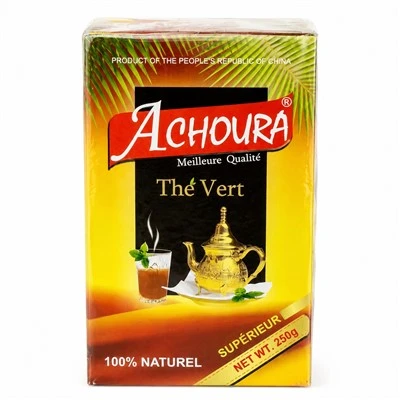
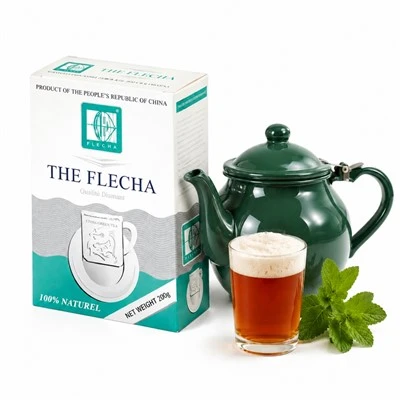
2. Morocco is the country with the highest import of green tea in the world, with a population of 20 million consuming 24000 tons of tea per year.
3. In Morocco, the majority of household income is spent on drinking tea, indicating the importance of tea in Moroccan life.
4. Moroccans often say that half of their body is green tea.
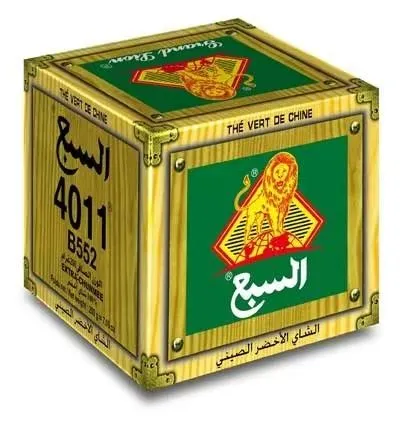
5. Morocco is popular for tea drinking, but it does not produce tea. The tea consumed annually in the country relies on imports, with 95% coming from distant China.
6. Chinese green tea is closely related to the life of every Moroccan, and tea has become a friendly ambassador between China and Morocco.
7. Since the late 19th century, Moroccan poets have used the format and rhythm of ancient wine poems to praise tea.
2, The development of Moroccan tea culture:
1. Morocco, known as the place where the sun sets in ancient times, is a country primarily focused on agriculture. Its climate and geographical features are similar to those of California in the western United States.
2. The towering Atlas Mountains are covered with snow all the year round. The rivers flowing down the mountains nourish the fertile plains of Morocco near the Mediterranean Sea to the north and provide water for the oases in the Sahara Desert to the south.
3. Berber is a native of Morocco, and in fact, Berber is a collective term for ancient African tribal peoples.
4. The word "Berber" comes from the Latin word "Barbari" and is a term used by the Phoenicians to refer to them
5. The Phoenicians came from Lebanon and were close neighbors of Jews, making them the earliest Moroccan invaders.
6. Phoenicia had a profound impact on Moroccan society and culture, and today the mint in Moroccan tea is said to have been brought to North Africa by the Phoenicians.
7. Starting from the 7th century AD, the Arabs occupied Morocco, bringing Islam and culture from the Middle East, as well as various spices, ginger, pepper, and cinnamon from Egypt and Iraq.
8. After the Arabs conquered Spain and other countries, they brought Western European culture to Morocco.
9. From the poems left by Berber poets throughout history, it can be seen that before the Arab conquest of Morocco by Islam, Berber people drank alcohol.
10. Since the late 19th century, poets here have been using the format and rhythm of ancient wine poems to praise tea.
11. Strolling through the old city of Morocco, one can often see ancient city walls and gates, which are very similar to ancient Chinese city walls. The difference is that Chinese city walls really block out invaders from outside the Han dynasty, so Chinese people and culture are rarely assimilated by foreign tribes. However, Morocco, on the other hand, has been continuously influenced and assimilated by other cultures throughout its long history, from its architecture, tiles, carpets, painted glass cups to its cuisine, to its language. It is one of the most contrasting and culturally rich countries in the world that I have visited. Walking on the street, not only can you see modern and ancient buildings influenced by mixed cultures, but you can also hear Arabic, French, English, Spanish, and Berber.
12. Moroccan food is the most exquisite and distinctive among North African countries, influenced by Europe, the Middle East, and Africa. Many dishes are passed down orally from ancient families, similar to the old traditions in China. The dishes stewed with Moroccan painted clay pots and various seasonings are both rich and delicious, truly having a unique flavor. Tea is the national beverage of Morocco.
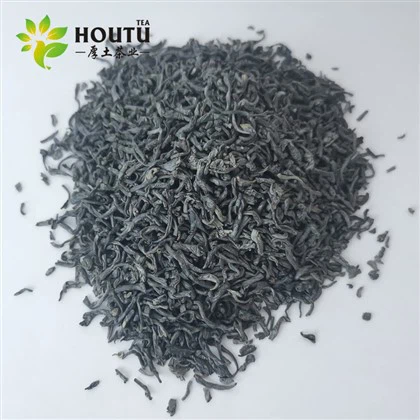
13. Moroccans not only mix mint with Chinese green tea, but also drink other herbal teas. For example, in cities along the Mediterranean, people drink saffron tea before bedtime, and it is said that this herb helps with sleep. Moroccan tea is stronger and sweeter than what I drank in France. In addition to green pearl tea, people here also often use Hyson, Chinese eyebrow tea. It is said that China exports the most eyebrow tea and pearl tea to North Africa.
14. The terrain of Morocco is separated from the northwest and southeast by the Atlas Mountains, with the Mediterranean climate in the northwest and the Sahara desert in the southeast. Tea in the Moroccan desert is different from tea along the coast. People living in the desert do not add mint when drinking tea, but brew tea that is extremely strong. They usually only brew a small half cup and drink it little by little, which is a bit like the very strong small cup of coffee that Italians drink. This is different from coastal people having to drink three cups of tea. The people there, in addition to drinking strong tea, also like to drink juice mixed with almond milk, pomegranate juice, and bitter oranges from Spain.
15. The concept of Moroccan tea ceremony comes from Japan. The person who values and strictly respects the Moroccan tea ceremony the most comes from the Sahara Desert. People who come up from the desert, even if they live in northern towns, always find a quiet place to meet with tea every day.
16. Many years ago, Berber's poets associated tea with Islam. The poem states, "The three legged stove for brewing tea symbolizes the spire of Islamic temples; the copper pot for boiling water symbolizes Islamic leadership; the tea plate is the quiet prayer room, the teapot is the leader of Islam, and the teacup is the sentient being of faith, standing in all directions." Modern Moroccan poet Abdallah Zrika said, "The teapot encompasses the entire universe." The first line of this poem seems to be derived from "The whole human race meets in the teacup" in Tenxin Okakura, Japan.
17. Walking into Moroccan households, company offices, or government and community reception halls, you will smell the fragrance of tea that touches your heart. Moroccans not only pay attention to the aroma when drinking tea, but also demand a strong and sweet taste. Then, they add a slice of fresh mint to the tea cup and drink it, feeling cool and comfortable. The heat dissipates immediately, and the spirit is refreshed. Moroccans also pay attention to using green tea when receiving guests or family and friends, especially Chinese green tea, which enjoys a high reputation in Morocco. Whenever the Spring Festival is celebrated, Moroccans have to rush to purchase tea, with a unique and sophisticated approach to purchasing high-quality Chinese green tea, such as purchasing holiday clothing and other festive foods. In their eyes, the ability to spend money on buying green tea and entertaining guests with green tea is a sign of economic prosperity and a well-off family.
18. In Morocco, after waking up in the morning, people first brew a cup of fragrant tea, drink it, and then start eating breakfast. Whether it's ordinary families in Morocco or high-ranking officials, they always add white sugar to green tea during festivals, banquets, and serious social activities to show the sweetness of their livelihood and respect for their guests. In many occasions, both guests and hosts often use tea instead of wine, clinking glasses and wishing each other well. In many public places such as supermarkets, cinemas, stations, docks, airports, etc., many teenagers and girls carry silver plates with a tin pot and several tea cups inside. They walk through the congested crowd, shouting loudly to sell tea, and their business is very prosperous.