Tea Drinking Culture in West Africa and the Industrial Value of Gunpowder Tea and Chunmee Tea

Apr 27, 2026

Leave a message

   Across the vast expanse of West Africa, from the desert hinterland of Mauritania to the coastal cities of Senegal, and from the inland city-states of Mali to the rural settlements of Niger, tea drinking has long transcended mere beverage consumption, evolving into a cultural symbol deeply rooted in local life, embodying social etiquette and meeting daily living needs. West Africa is not a tea-producing region, yet it has fostered a distinctive tea drinking custom based on its unique regional customs and living habits. As the core tea varieties consumed locally, Chinese Gunpowder Tea and Chunmee Tea not only serve as the physical carrier of West Africa's tea culture, but also act as a crucial bond linking China-Africa tea culture exchanges and meeting industrial consumption demands, writing a cultural and commercial story of tea aroma spanning mountains and oceans.

   Most parts of West Africa lie in the tropical zone, featuring year-round high temperatures and dry weather, with the scorching climate of the Sahara Desert affecting many countries. Local residents mainly diet on beef, mutton, camel milk and coarse grains, resulting in a greasy diet lacking vegetables and fruits. Coupled with the Islamic custom of prohibiting alcohol, tea, with its effects of quenching thirst, relieving greasiness, refreshing mind and nourishing the stomach, has become an indispensable necessity in local people's lives. As early as the 16th century, tea was introduced to West Africa through trade and commerce. After hundreds of years of inheritance, it has gradually taken root in local social life, forming a living habit of "having tea every day without interruption". For West Africans, drinking tea is a way to resist intense heat and replenish physical strength, a carrier of etiquette on social occasions, and an essential daily demand beyond three meals a day. Such a nationwide demand for tea has laid a broad market foundation for Chinese Gunpowder Tea and Chunmee Tea, which are resistant to multiple infusions, full-bodied in taste and suitable for local brewing methods.

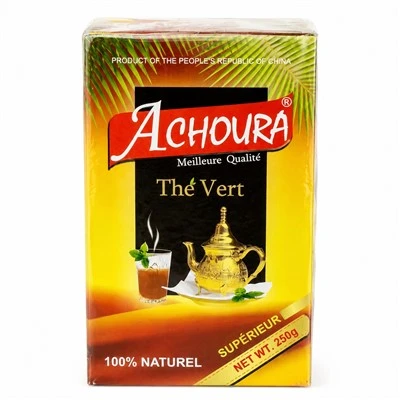
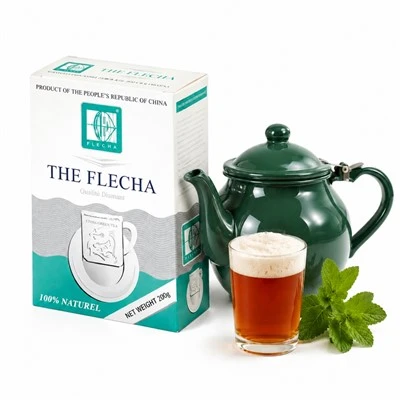
   The tea drinking culture in West Africa is characterized by boiling brewing, adding sugar and mint, pursuing rich, mellow and sweet tea soup with a strong sense of ritual. Distinct from the pure drinking method of green tea in China, it highly matches the quality characteristics of Gunpowder Tea and Chunmee Tea. There is a fixed process for local tea boiling: first boil water, warm the teapot and cups, then add a sufficient amount of tea leaves, boil over high heat and then simmer over low heat to fully release the inner nutrients of tea; afterwards, add white sugar and fresh mint leaves for further boiling to deeply integrate tea aroma, mint fragrance and sweetness, and finally pour the tea into small glass cups for serving in sequence. "Serving tea to guests" is a universal social etiquette in West Africa, and the whole process of boiling, serving and drinking tea is an important part of family gatherings and business hospitality.

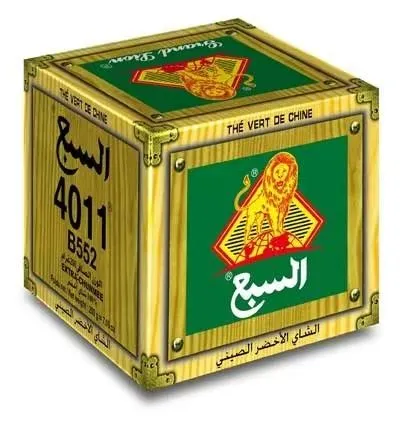
41022 ATTAY

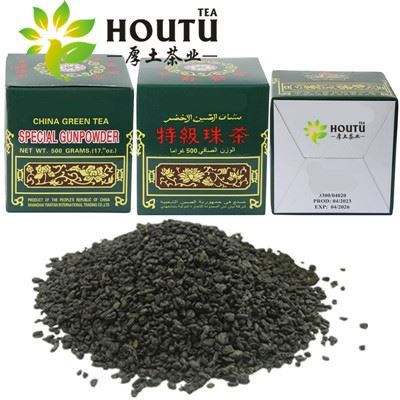
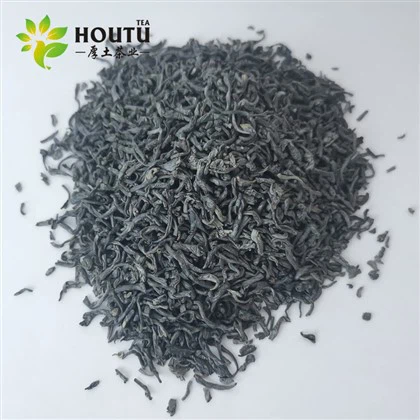
   West African tea drinking pursues strong, fresh and long-lasting taste, with a much higher amount of tea leaves used than that in China, allowing repeated boiling and infusions of one pot of tea. This perfectly matches the core quality advantages of Gunpowder Tea and Chunmee Tea. Gunpowder Tea features tight, round and heavy granules with uniform appearance, internationally known as "Gunpowder Tea". It is rich in inner substances, producing clear and non-turbid tea soup with mellow and sweet aftertaste after boiling. Chunmee Tea has tight, uniform and slender strips with sharp buds, subdivided into grades such as Special Chunmee and Yucha Tea, boasting high and lasting aroma, rich taste and bright orange soup. Both types of tea can withstand long-time boiling, continuously releasing tea aroma, and are fully suitable for the traditional tea boiling method in West Africa.

THE VERT D E CHINE

   From the perspective of tea industry development, as bulk exported green teas of China, Gunpowder Tea and Chunmee Tea have become the preferred varieties for West African tea imports and dominated the local market, relying on standardized production, stable quality and high cost performance. Among them, core West African tea-consuming countries including Mauritania, Senegal, Mali and Niger mainly consume medium and high-grade Chunmee Tea, and China's exported 41022 Tea has become a benchmark tea product locally due to its stable quality. Gunpowder Tea, with its advantages of easy transportation, storage and durability, sells well in West Africa and neighboring North African markets. Catering to the consumption taste of West African public and logistics storage conditions, the two teas are core products for Chinese green tea to explore the African market, as well as an important bridge for China-Africa tea trade and cultural exchanges.

   The tea drinking culture in West Africa is a product of the in-depth integration of regional climate, dietary structure, religious customs and foreign tea culture. The continuous import of Chinese Gunpowder Tea and Chunmee Tea not only meets the local daily demand for tea drinking, but also enables the traditional Chinese green tea craftsmanship and tea culture to take root in West Africa. In the process of trade and cultural integration, a cup of rich green tea carries the daily life of West African people and witnesses the profound friendship of China-Africa friendly cooperation, continuously releasing unique value and vitality in industrial development and cultural inheritance.

ATAY 41022


Send Inquiry
Contact us if have any question

You can either contact us via phone, email or online form below. Our specialist will contact you back shortly.

Contact now!