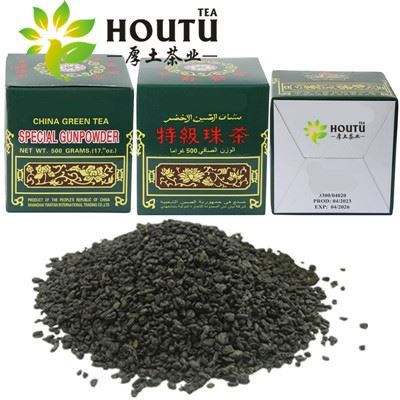
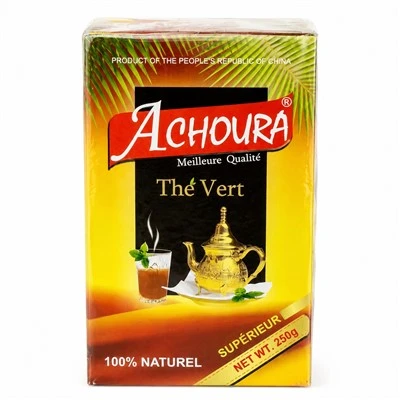
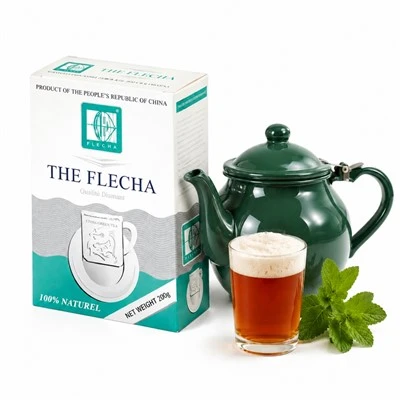
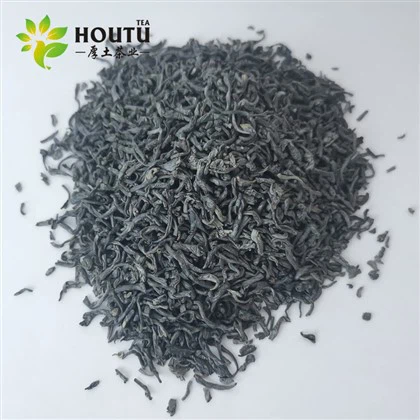
Tea refers to the product made from the leaves and buds of tea trees through processing, mainly used for brewing tea beverages. The components of tea include catechins, cholestenone, caffeine, inositol, folate, pantothenic acid, etc., which have various health benefits. Tea beverages made from tea are one of the three major beverages in the world, with a long history and profound cultural connotations.
As a beverage with rich cultural connotations and health benefits, tea's market demand continues to grow, and market segmentation and product innovation continue to drive industry development. With the increasing demand for healthy beverages among consumers, tea, as a beverage with health functions such as lipid-lowering, weight loss, and antioxidant, has a broad market prospect. In the coming years, the tea market will continue to maintain rapid growth and benefit from the promotion of healthy beverage consumption concepts and the inheritance and innovation of tea culture.
Analysis of the Current Development Status of the Tea Industry
China is a major tea producing country, ranking first in the world in terms of tea consumption, planting area, and total output. As of April 2024, the number of existing tea related enterprises in China has reached over 1.638 million. Although there are many tea companies, their scale is generally small and their products are highly homogenized.
According to the "2025-2030 Tea Market Development Status Survey and Supply Demand Pattern Analysis and Prediction Report" by China Research Institute of Industry and Technology:
At present, the marketization level of China's tea industry is relatively high, but the industry concentration is still at a relatively low level. The market share of the top five high-end tea enterprises has only increased from 5.3% in 2019 to 6.2% in 2023. There are also relatively few tea listed companies in the capital market, especially lacking the leadership of leading tea brands.
In the Chinese market, tea consumption shows a diversified trend. Young people are gradually becoming an important force in tea consumption, especially in the raw tea market. Consumers' increasing demands for the quality, taste, health value, and consumer experience of tea have prompted tea companies to continuously launch new products, such as blended flavor tea products that incorporate elements of fruits, flowers, and plants. Meanwhile, traditional teas such as green tea, black tea, and oolong tea maintain stable demand, while black tea and white tea are gradually becoming popular among consumers.

Digital transformation has become an important trend in the tea market. The application of digital technology in various aspects of tea production, processing, warehousing, and sales has improved production efficiency and product quality. Online sales have become an important channel, and online marketing methods such as short videos and live streaming have become the norm, bringing new growth points to tea sales.
In addition, tea companies are strengthening cooperation with existing tea beverage brands, jointly developing new products and expanding markets. The rise of the new tea beverage market has driven the growth of tea companies.
Driven by health awareness, tea products with health benefits such as antioxidant, lipid-lowering, and weight loss effects are gradually gaining popularity in the market. At the same time, the integration of tea and tourism has become a new trend, by transforming tea producing areas into tourist attractions, attracting tourists to visit and experience, and enhancing the added value and brand influence of tea.